

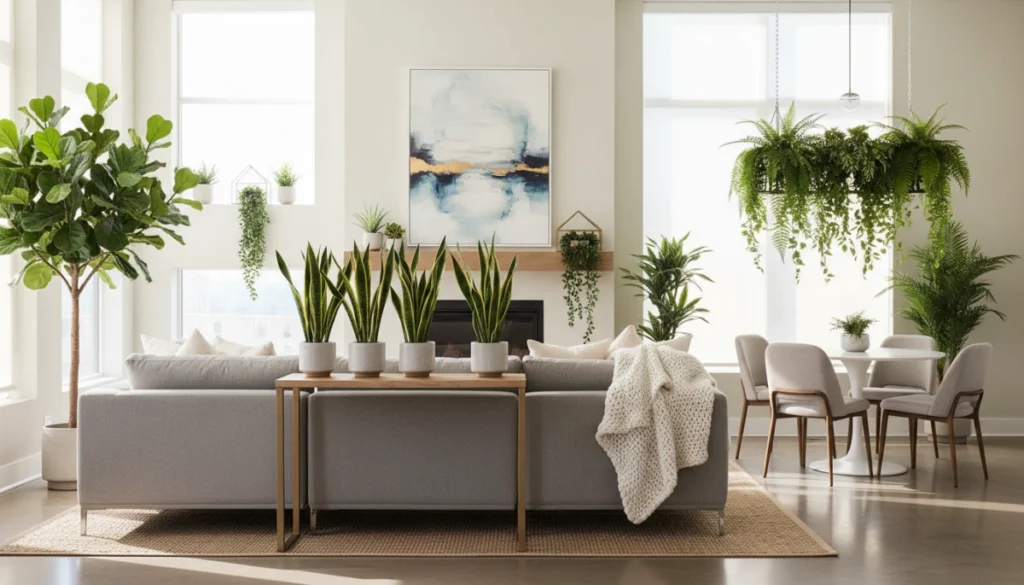
The Rise of Artificial Plants in Modern Interior Design
Understanding the Shift Towards Faux Greenery
The landscape of modern decor is undergoing a significant transformation, driven by a demand for sustainable aesthetics and convenience. The days of obviously plastic, tacky decorations are behind us. Today, we are witnessing a massive pivot toward high-fidelity faux greenery that rivals the real thing. This shift is fueled by advanced manufacturing technologies capable of replicating natural textures, vein patterns, and organic irregularities with stunning accuracy.
Designers and homeowners alike are choosing artificial options to solve common interior challenges. The modern lifestyle is fast-paced, often leaving little time for the demanding care schedules that live vegetation requires. Artificial plants offer a strategic solution, delivering immediate visual impact and permanent lushness without the risk of wilting, pests, or seasonal die-off. It is not just a trend; it is a practical evolution in how we approach indoor styling.
The Role of Artificial Plants in Biophilic Design
Biophilic design—the practice of connecting building occupants more closely to nature—is a cornerstone of contemporary architecture, known to boost mood and productivity. While this concept traditionally relied on living flora, artificial plants have become indispensable tools for achieving these biophilic goals in challenging environments.
Not every space is conducive to plant life; low-light corners, climate-controlled offices, and high-traffic commercial zones often kill live greenery. High-quality faux botanicals bridge this gap, ensuring that the visual connection to nature remains unbroken. By integrating lifelike artificial trees and green walls, we can create calming, restorative atmospheres in spaces where biological constraints previously made it impossible. This approach guarantees that the psychological benefits of a green environment are accessible anywhere, regardless of lighting conditions or maintenance resources.
Key Benefits of Using Faux Plants for Indoor Landscaping
Switching to artificial greenery isn’t just about avoiding the hassle of watering; it is a strategic design choice that solves real problems. In my experience providing decor solutions, clients are increasingly trading live botany for high-quality replicas to maintain professional, clean environments without the logistical nightmare.
Low Maintenance and Cost-Effectiveness
The most immediate return on investment with faux landscaping is the elimination of labor. You do not need to worry about irrigation systems, soil ph levels, or hiring a specialized maintenance crew to prune dead leaves. Real plants are fickle; they require specific humidity and light conditions that most offices and homes simply don’t have.
Where you save money:
- No Replacement Costs: You stop throwing money in the trash on plants that die every few months.
- Zero Water Bill Impact: Large indoor gardens consume significant water; artificial ones use none.
- Time Savings: No time spent pruning, repotting, or cleaning up fallen dirt and wet leaves.
Aesthetics: Consistent Beauty in Any Season
One of the biggest struggles with live interior design is seasonality. A real flowering plant might look great for two weeks and then look like a stick figure for the rest of the year. Artificial plants provide a controlled aesthetic that stays pristine regardless of the weather outside or the HVAC settings inside.
You can maintain a warm, inviting atmosphere year-round with permanent botanicals. for instance, placing vibrant artificial sunflower bouquets in a lobby or living room guarantees a pop of summer color even in the middle of a bleak February, without ever wilting or dropping petals.
Health and Safety: Hypoallergenic and Pet-Friendly Options
Beyond looks and money, safety is a major factor, especially in commercial spaces or homes with pets. Real plants often bring pollen, mold (from damp soil), and pests like gnats into the building. For allergy sufferers, this turns a beautiful room into a health hazard.
Safety Breakdown:
| Feature | Real Plants | Artificial Plants |
|---|---|---|
| Allergens | High (Pollen, Mold, Spores) | None (Hypoallergenic) |
| Toxicity | Many are toxic to cats/dogs | Non-Toxic Materials |
| Pests | Attracts bugs and gnats | Pest-Free |
Using faux greenery eliminates the risk of accidental poisoning if a dog chews on a leaf, and it ensures your guests or clients aren’t sneezing the moment they walk through the door. It is the cleanest way to introduce biophilic elements into a space.
Popular Types of Artificial Plants for Decor
When we look at the application of artificial plants in indoor landscaping or interior design, versatility is key. We aren’t just stuck with a single pot in the corner anymore; modern manufacturing allows us to replicate almost any botanical structure. Here are the specific types that are currently driving trends in the United States.
Artificial Vertical Gardens and Green Walls
Vertical gardens are easily the most dramatic way to bring nature indoors without sacrificing floor space. These “living walls” act as stunning focal points in both corporate lobbies and residential living rooms. By using interlocking faux greenery panels, we can create lush, dense textures that mimic moss, ferns, and mixed foliage.
- Space Savers: Perfect for urban apartments or tight offices where ground space is premium.
- Noise Reduction: The density of the foliage can actually help dampen sound in open-concept spaces.
- Customizability: You can mix and match panel styles to create a unique pattern or logo backdrop.
Statement Faux Trees and Large Floor Plants
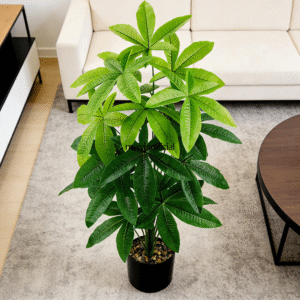
Nothing anchors a room quite like a substantial tree. In the past, keeping a large Fiddle Leaf Fig or Olive Tree alive indoors was a nightmare due to lighting requirements. Now, high-quality replicas have made these the standard for interior design anchors.
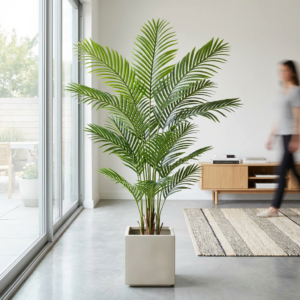
We typically use these to fill empty corners or frame large windows. Since they don’t require soil volume for root growth, we can place them in stylish, streamlined baskets or pots that wouldn’t support a real tree of the same size. Artificial palms and bamboo are also top choices for creating a relaxed, West Coast vibe in commercial spaces.
Hanging Vines, Ferns, and Succulents
For adding detail and softening hard architectural lines, trailing plants are essential. We love placing these on high shelves, tops of cabinets, or in suspended macramé planters where watering real plants would be a hassle.
- Cascading Vines: These draw the eye upward and add vertical interest. You can use artificial hanging vines and monstera leaves to create a lush, jungle-like canopy on walls or ceilings.
- Flowering Accents: If you need a pop of color alongside the green, incorporating artificial morning glory silk flowers adds a delicate, natural charm to window treatments or trellis setups.
- Succulents: These are perfect for desktop arrangements or bathroom ledges, offering a modern, clean look with zero maintenance.
Application Scenarios in Residential and Commercial Spaces
The versatility of faux greenery has completely changed how we approach design. Whether I am outfitting a cozy apartment or a sprawling corporate headquarters, the application of artificial plants in indoor landscaping or interior design offers solutions that real nature simply cannot match. It’s about getting that lush look without the logistical headaches.
Transforming Home Interiors: Living Rooms, Bathrooms, and Home Offices
In residential spaces, we want comfort and style without adding to our chore list. I often see homeowners struggling to keep greenery alive in high-traffic or functional spaces. Artificial plants solve this instantly.
- Living Rooms: Large faux fiddle leaf figs or palms work perfectly as corner anchors behind sofas, adding height and texture without dropping leaves on the carpet.
- Bathrooms: This is one of the toughest environments for real plants due to fluctuating humidity and heat. High-quality faux options thrive here. You can drape artificial hanging vines and monstera decor from shower rods or high shelves to create a spa-like atmosphere that requires zero maintenance.
- Home Offices: With the rise of remote work, your video call background matters. A strategically placed succulent arrangement or a small shelf plant adds a professional yet welcoming touch to your workspace.
Commercial Landscaping: Solutions for Offices, Hotels, and Retail
For my commercial clients, the bottom line is key. Real plants require expensive maintenance contracts, watering schedules, and frequent replacement. Artificial landscaping eliminates these ongoing costs while maintaining a pristine brand image.
In hotels and lobbies, we use large-scale artificial trees to create grandeur and fill vertical space. In retail environments, greenery softens the hard lines of shelving and displays, making customers feel more at ease and willing to linger. For corporate offices, green dividers act as sound buffers and visual barriers, improving privacy in open-plan layouts without blocking light.
Brightening Low-Light Areas Where Real Plants Fail
Every building has that one spot where nothing grows—a windowless hallway, a basement den, or a dark corner in a restaurant. Attempting to keep a live plant alive in these “dead zones” is a waste of money.
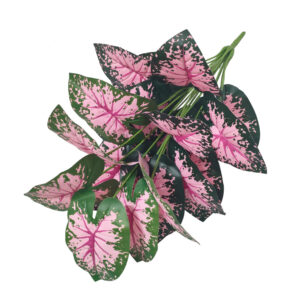
This is where artificial plants truly shine. They don’t need photosynthesis, so they maintain their vibrant color in pitch blackness. To really make these shadowy areas pop, I recommend using plants with variegated or colorful leaves. For example, adding distinct artificial caladium greenery brings a splash of color and life to dim corners that would otherwise feel cold and empty. It is the most effective way to reclaim usable design space in areas previously thought un-styleable.
Expert Tips for Styling Artificial Plants
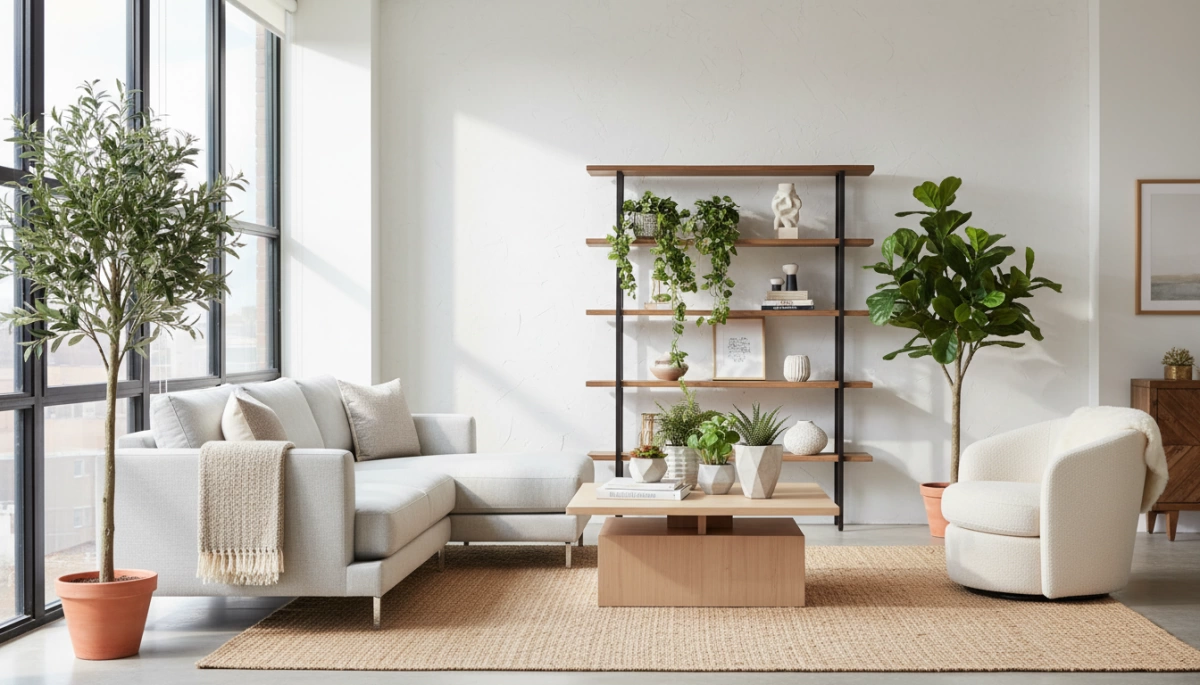
When dealing with the application of artificial plants in indoor landscaping or interior design, the main goal is to make the foliage look as authentic and seamlessly integrated as possible. Here is how I elevate residential and commercial spaces using faux greenery.
Mixing Faux and Live Plants for a Natural Look
The absolute easiest way to trick the eye is to blend your real plants with your fake ones.
- Group them together: Situate a live, slightly imperfect pothos next to a pristine faux fern. The natural variations of the real plant rub off on the artificial one, making the entire setup look authentic.
- Use faux for filler: In tighter displays or floral arrangements, I often use realistic artificial baby’s breath for centerpieces alongside fresh flowers to add volume without the hassle of extra maintenance.
- Strategic placement: Keep real plants at eye level where people can see and touch the soil. Place your faux plants on high shelves, tall plant stands, or in dark corners where live plants would die anyway.
Choosing the Right Planters and Containers
Nothing gives away a fake plant faster than the cheap, tiny plastic black pot it comes in. Upgrading your container is a non-negotiable step in interior design.
- Ceramic and Terracotta: Dropping your faux plant into a heavy ceramic or terracotta pot instantly grounds it, adding weight and an earthy vibe.
- Woven Baskets: Seagrass or rattan baskets are excellent for hiding the plain base pots of large artificial floor trees while adding a cozy, textured element to the room.
- Always use top dressing: Never leave the fake foam or plastic base exposed. I always pack the top of the planter with real potting soil, dried Spanish moss, or river rocks to sell the illusion.
Creating Visual Interest with Textures and Layers
Flat, one-dimensional plant displays look noticeably artificial. Layering different heights, colors, and textures brings an indoor landscape to life.
- Vary the height: Create a dynamic display by combining tall floor trees, medium tabletop bushes, and long, trailing vines.
- Mix leaf types: Contrast large, broad leaves (like a faux fiddle leaf fig) with delicate, textured options. For example, working realistic artificial eucalyptus stems into a vase adds a soft, dusty-green layer that breaks up the heavy, deep greens of surrounding plants.
- Use plant stands: Elevate smaller faux plants on mid-century wooden or modern metal stands. This creates depth and fills out empty corners perfectly.
How to Select High-Quality Artificial Plants
When choosing artificial plants for your indoor landscaping, the goal is always to find pieces that fool the eye. You want that fresh, vibrant look without the hassle, but not all faux greenery is created equal. The key to a successful interior design project lies in knowing what details to look for.
Assessing Realism: Materials, Textures, and Details
The difference between a cheap-looking fake plant and a high-quality artificial one is all in the materials and the manufacturing process. If you want your indoor landscaping to look natural, pay close attention to the following:
- Look at the Leaves: High-quality options often use silk, real-touch plastics, or high-grade polyurethane. The leaves shouldn’t have perfectly uniform color; they should show variations, veining, and even slight imperfections, just like real foliage.
- Check the Stems and Trunks: A realistic trunk shouldn’t look like smooth plastic. Look for textured bark, irregular shapes, and natural coloring. Some premium faux trees even use real, dried wood trunks with artificial leaves attached.
- Inspect the Details: Are the leaf transitions smooth? Does the plant have new growth (lighter, smaller leaves at the tips)? These small details add up to a much more convincing appearance.
For example, if you are incorporating floral elements into your design, a piece like an artificial hydrangea bouquet should have delicate, varied petals that mimic the soft texture of the real flower, rather than stiff, uniform plastic pieces. Similarly, if you’re going for a more unique aesthetic, perhaps for a themed event or specific decor style, the details on an artificial purple areca palm must be precise to maintain realism despite the unnatural color.
The Importance of UV Protection for Longevity
If your interior design plan involves placing artificial plants near windows, under skylights, or in sunrooms, UV protection is critical. Even indoors, the sun’s rays can cause standard faux plants to fade, crack, and turn brittle over time.
- Prevents Discoloration: UV-resistant artificial plants are treated during the manufacturing process to withstand sunlight. This ensures your vibrant greens don’t turn into a washed-out, unnatural blue or yellow after a few months.
- Maintains Material Integrity: Prolonged sun exposure can degrade certain plastics and fabrics. UV protection helps the plant maintain its structural integrity, preventing leaves from snapping off or looking dried out.
- Long-Term Investment: While UV-treated plants might cost slightly more upfront, they are a better investment for spaces with natural light. They will maintain their aesthetic appeal for years, saving you the cost and hassle of frequent replacements in your indoor landscaping.
Simple Maintenance and Care for Faux Greenery
While the application of artificial plants in indoor landscaping eliminates the need for watering and pruning, a little upkeep is still necessary to keep things looking realistic. Dust is the biggest giveaway that a plant isn’t real. Over time, a layer of gray dust can dull the vibrant colors of your foliage, making even the most expensive pieces look cheap. The goal is to maintain that fresh-from-the-nursery look with minimal effort.
Routine Cleaning and Dusting Techniques
Keeping your faux botanicals clean doesn’t require special chemicals. In fact, harsh cleaners can actually strip the UV coating or discolor the fabric. For most setups, a regular dusting schedule is all you need to maintain the illusion of fresh life.
Here is a quick guide to the best cleaning methods for different types of foliage:
- Feather Duster: Use this weekly for delicate petals and small leaves to prevent buildup.
- Damp Microfiber Cloth: This is essential for wiping down large, broad leaves, such as those found in our Travelers Palm and Bird of Paradise collection, to restore their natural sheen.
- Compressed Air: If you have intricate arrangements with tight crevices, a can of compressed air (like the kind used for electronics) can blast away dust without damaging the structure.
- Shower Rinse: For plastic-heavy plants without glued moss bases, a gentle rinse in the shower with lukewarm water works wonders. Just let them air dry completely before placing them back.
Reshaping and Reviving Your Artificial Plants
When you first unbox your plants, or after they’ve been sitting in one spot for a year, they might look a bit stiff or compressed. High-quality artificial plants are designed with wire cores in the stems and branches, allowing you to customize their shape. Don’t be afraid to bend them! To achieve a natural look, gently curve the stems outward and downward, mimicking how gravity affects real plants.
If you notice creased leaves or crushed petals, heat is your best friend. A handheld fabric steamer is a game-changer for interior design professionals. simply run the steam over the wrinkled foliage from a few inches away. The warmth and moisture relax the fibers, allowing you to smooth out creases instantly. If you don’t have a steamer, a hair dryer on a low, warm setting can also help pliable plastics regain their proper form.