

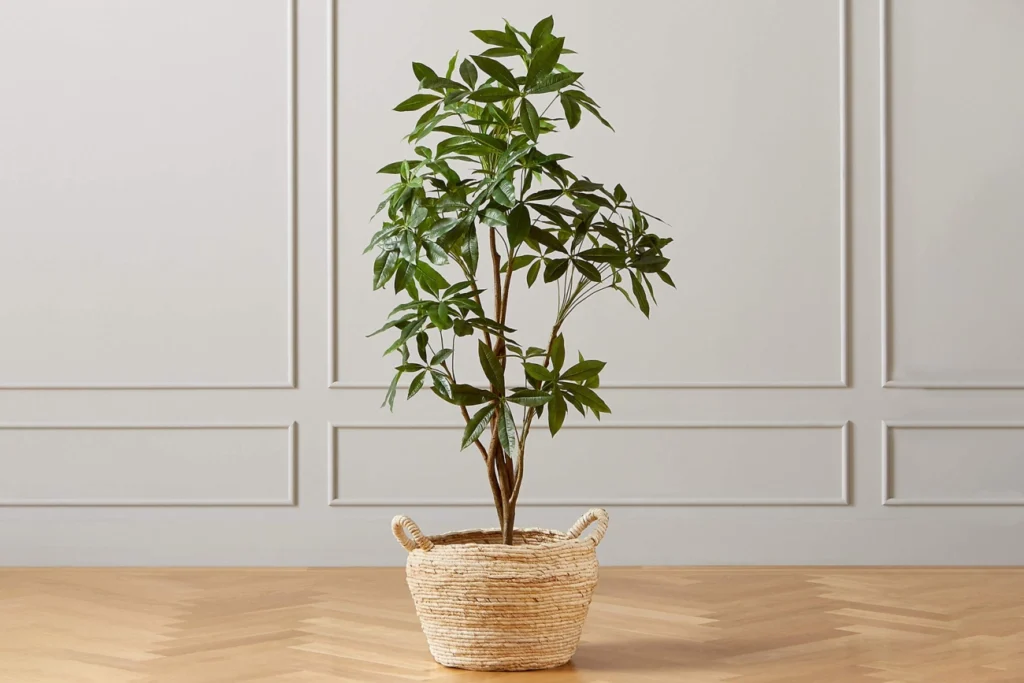
Understanding the Need for Realistic Artificial Plants
The secret to elevating your interior design lies in the details. Modern spaces demand high-quality aesthetics without the constant burden of upkeep. If you want to know how to make artificial plants look like real plants, the journey begins with understanding why authenticity is non-negotiable. Lifelike faux botanicals effectively trick the eye, instantly bringing warmth, texture, and vitality to a room. Cheap, plastic-looking alternatives actively detract from your space, making realistic design a necessity for premium home and office styling.
The Benefits of Lifelike Faux Greenery
Investing in high-quality artificial plants offers immediate, tangible returns for your environment. When sourced and styled correctly, they provide all the visual perks of nature without the botanical baggage.
| Benefit | Description |
|---|---|
| Cost-Effective | A true one-time investment with absolutely zero replacement or maintenance costs over time. |
| Allergy-Free | Experience lush, vibrant greenery without introducing pollen or soil-borne allergens indoors. |
| 100% Pet Safe | Eliminates the severe risks of toxic leaf ingestion associated with many popular real houseplants. |
| Everlasting Beauty | Maintains peak visual vibrancy and structural integrity year-round, regardless of seasonal changes. |
Low-Maintenance Decor for Any Space
Real plants dictate exactly where they can be placed based on strict sunlight and humidity requirements. Faux greenery hands total design control back to you, allowing you to seamlessly integrate nature into traditionally difficult environments.
- Zero Sunlight Required: The perfect design solution for windowless bathrooms, basement offices, or dimly lit hallways.
- No Watering Schedules: Completely eliminate the risk of water rings, soil spills, and moisture damage to your hardwood floors and premium furniture.
- Temperature Resilient: Faux plants thrive effortlessly directly over radiators, near aggressive AC vents, and in drafty entryways where real plants instantly wither.
How to Choose High-Quality Fake Plants
If you want to master how to make artificial plants look like real plants, I always recommend starting with the right foundation. Buying premium faux greenery makes the styling process effortless and instantly elevates your home decor.
Avoid Unnatural Colors and High Shine
Live plants rarely look like glowing, glossy plastic.
- Matte Finishes: Opt for leaves with a natural, muted sheen rather than a reflective glaze.
- Varied Tones: Look for gradient greens, lighter new growth at the tips, and darker, mature leaves at the base.
Look for Asymmetry and Natural Imperfections
Mother Nature is not perfectly symmetrical. Factory-perfect shapes are an instant giveaway that a plant is fake.
- Uneven Stems: Branches should vary in length, thickness, and direction.
- Organic Flaws: The most realistic artificial plants feature slight bends, uneven edges, or even tiny simulated blemishes like dry tips.
Select Premium Materials and Textures
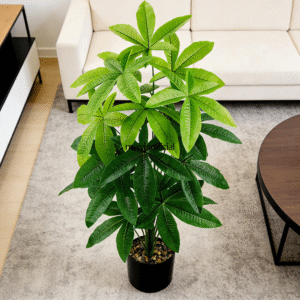
The materials dictate how a plant reflects light and holds its shape. Cheap, shiny plastics reflect harsh indoor lighting and look incredibly fake. When investing in lifelike foliage, such as lush artificial Chinese evergreens, prioritize deep textures and natural movement.
Material Comparison Guide
| Material Type | Realism Level | Best Use Case |
|---|---|---|
| Real-Touch Silicone | High | Close-up indoor displays, coffee tables, living rooms |
| Premium Silk | Medium-High | Flowy foliage, highly detailed leaf veining |
| Standard Plastic | Low | Avoid indoors; use outdoors only if UV-treated |
Essential Steps to Make Artificial Plants Look Real
If you want to know how to make artificial plants look like real plants, the secret is all in the setup. Straight out of the box, faux greenery usually looks stiff and completely unnatural. Here is how I transform flat, packaged pieces into lifelike, organic room decor.
Fluff and Shape the Leaves and Branches
Real plants are never perfectly symmetrical. To get a genuinely natural look, you have to spend a few minutes bending and styling the stems.
- Start at the base: Work your way up the trunk, fanning out the lower branches wider than the top ones to mimic natural growth patterns.
- Create organic curves: When styling an artificial dried eucalyptus stem, take advantage of the built-in adjustable wire. Bend the branches gently to create soft, drooping lines rather than sharp, rigid angles.
- Direct the foliage: For large statement pieces like an artificial Monstera Deliciosa plant, gently twist the individual stems so the leaves face slightly different directions, just as they would when stretching toward a window for sunlight.
Upgrade to a High-Quality Planter
Nothing gives away fake greenery faster than the tiny, weighted black plastic nursery pot it ships in. Dropping your artificial plant into a premium container completely elevates the aesthetic and grounds it in your space.
- Terracotta Pots: Brings a warm, earthy vibe that feels incredibly authentic.
- Matte Ceramic: Perfect for a clean, modern American home aesthetic.
- Woven Seagrass Baskets: Adds great texture and softens the look of bare corners.
Add Real Soil, Moss, or Rocks to the Base
This is my favorite trick. To truly anchor your fake plant in reality, dress the top of the base with actual organic materials. Mixing fake foliage with a real base easily tricks the eye.
| Base Material | Best Used For |
|---|---|
| Real Potting Soil | Everyday indoor houseplants and smaller tabletop plants. |
| Dried Spanish Moss | Tall indoor faux trees, ferns, and large tropical varieties. |
| River Rocks | Modern home aesthetics, succulents, and patio planters. |
Properly Stabilize the Base for Display
A leaning trunk immediately ruins the illusion of a healthy, growing plant. Before you add your top dressing like moss or soil, make sure the plant is locked securely inside its new decorative planter.
- Center the starter pot: Place the original weighted base directly in the middle of your new planter.
- Fill the empty gaps: Pack the surrounding space tightly with crumpled recycled paper, leftover cardboard, or dense floral foam blocks.
- Add heavy weights: If you are dealing with a tall faux tree that might tip over, drop a few heavy river stones or small bricks into the bottom of the planter before securing it.
Expert Styling Tricks for a Natural Appearance
I have learned that buying a great fake plant is only half the battle. If you want to know how to make artificial plants look like real plants, the secret lies entirely in how you style them. Strategic placement and smart pairing are what truly sell the illusion.
Mix Artificial Plants with Real Greenery
The absolute easiest way to trick the eye is to blend your fake greenery with living plants. When people see a mix, their brains naturally assume everything is real.
- Create a botanical mix: Group a real, low-maintenance snake plant right next to a larger faux fiddle leaf fig.
- Fill outdoor gaps: Tuck stems of outdoor UV-resistant artificial wheat grass into your real patio planters. It adds instant volume without requiring extra watering.
- Keep them guessing: The natural imperfections of your real plants will automatically make the artificial ones nearby look completely authentic.
Place Faux Plants in Natural Lighting
Fake plants don’t need sunshine to survive, but keeping them hidden in dark, windowless rooms is an instant giveaway.
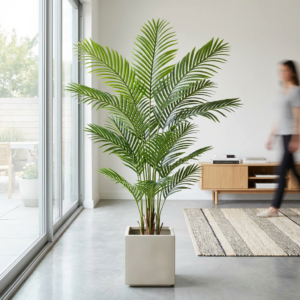
- Window proximity: Always position your faux greenery near windows or glass doors where a real plant would logically thrive.
- Catch the light: Natural sunlight passing through the room creates realistic shadows and highlights across the textured leaves.
- Avoid dead zones: If a live plant would quickly die in a specific dark corner of your living room, placing a vibrant fake plant there will immediately look suspicious.
Rotate Your Plants with the Seasons
Living environments change with the calendar, and your artificial decor should follow suit to maintain realism.
- Swap out varieties: Display bright, flocked lavender bouquets during the spring and summer months, then transition to rich pines and moody branches for fall and winter.
- Update the containers: Change out your lightweight woven summer baskets for heavier, earth-toned ceramic pots as the weather cools down.
- Match the outdoor vibe: If the trees outside your window are completely bare, featuring a brightly blooming tropical faux plant indoors creates a visual disconnect. Keep your indoor styling aligned with the local US seasons.
Maintenance Tips for Long-Lasting Realism
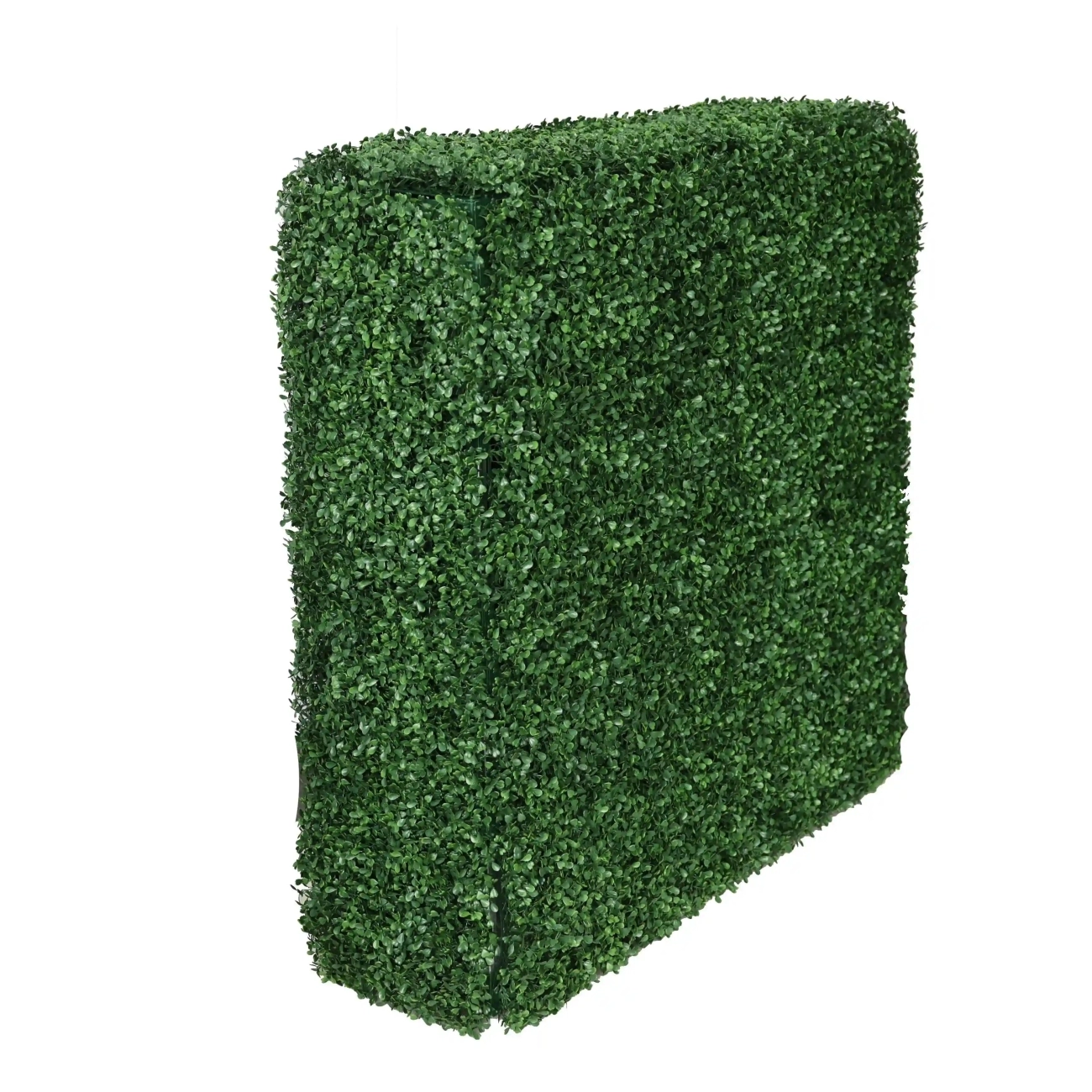
When people ask me how to make artificial plants look like real plants, I always stress that a basic maintenance routine is non-negotiable. Even the highest quality faux greenery loses its lifelike appeal if it looks neglected.
Clean and Dust Leaves Regularly
Nothing gives away a fake plant faster than a thick layer of dust. Real plants naturally repel dust as they grow and move, but artificial leaves just collect it. Keeping your faux stems and trees clean is the easiest way to maintain a fresh, vibrant look.
- Wipe with a microfiber cloth: For broad, flat leaves—like the foliage on an artificial fiddle leaf fig tree—gently wipe down the surface weekly.
- Use a standard duster: Run a feather or static duster over smaller, denser foliage every few days to stop heavy buildup before it starts.
- Deep clean with a damp cloth: Once a month, use a cloth dampened with plain water to wipe away stubborn grime. Skip the harsh household chemicals, as they strip the color and texture from premium materials.
- Blow away debris: For tight crevices or delicate floral arrangements, a quick blast of canned compressed air easily clears out the dust without damaging the structure.
Protect Outdoor Faux Plants from the Elements
If you stage your faux plants on a porch, patio, or balcony, the sun and weather are your biggest enemies. Continuous exposure to UV rays will quickly fade natural greens into obvious, unnatural shades of blue and yellow.
- Apply a UV-protectant spray: Coat your outdoor artificial plants with a specialized UV-resistant spray at the start of every season to block sun damage and prevent bleaching.
- Utilize natural shade: Position your faux greenery under awnings, pergolas, or covered porches to limit direct, harsh sunlight.
- Store during extreme weather: High winds, hail, and heavy snow will permanently snap branches or ruin delicate textures. Move your displays indoors or into a garage during bad storms.
- Weigh down the base: Add heavy stones or a layer of gravel to your outdoor planters so the wind doesn’t knock your plants over and damage the leaves.
Frequently Asked Questions About Artificial Plants
I get asked all the time about the best ways to style faux greenery. Here are the most common questions I hear regarding how to make artificial plants look like real plants in everyday home decor.
How do you make a fake tall tree look real?
Making a large faux tree look authentic comes down to shaping the foliage and upgrading the base.
- Bend the branches: Start at the bottom and gently pull the leaves downward. If you have an artificial bird of paradise tree with built-in adjustable wire, curve the stems organically so they don’t look too perfectly straight or uniform.
- Elevate the planter: Take the small, weighted plastic starter pot and drop it into a much larger, heavy-duty decorative basket or ceramic planter.
- Add real top dressing: Completely hide the fake plastic base by filling the extra space in your new pot with real potting soil, dried Spanish moss, or natural river rocks.
What is the best way to display DIY faux greenery?
When assembling your own arrangements, realistic placement and blending are your best tools.
- Use natural light: Place your arrangements near windows or under skylights where a living plant would actually thrive. Sticking a vibrant faux plant in a windowless corner is an instant giveaway.
- Mix real with fake: Blend your DIY pieces, like trailing artificial pothos leaves, right next to actual living plants on a high bookshelf or mantel. The real plants easily trick the eye into assuming your faux greenery is genuine, too.
- Anchor in dirt: Even if you are just arranging loose faux stems in a bowl, sticking them directly into real soil inside your display container adds immediate credibility.