


In the competitive landscape of commercial real estate (CRE), every investment decision is scrutinized for its potential return. For decades, landscaping has been pigeonholed as a “necessary cost”—a superficial expense to meet basic aesthetic requirements rather than a strategic asset. However, a growing body of research and industry practice proves that professional landscaping, when executed with intentional design and long-term value in mind, is far more than curb appeal. It is a driver of tenant retention, foot traffic, lease premiums, and ultimately, higher investment returns. This article explores how professional landscaping transforms from a cost-centric decision to an aesthetic and financial asset, backed by data, expert insights, and real-world examples.
The Misconception of Landscaping as a “Cost”: Why the Traditional Mindset Fails
Historically, commercial real estate developers and asset managers have prioritized hard assets—building structure, HVAC systems, technological infrastructure—over soft landscaping elements. The rationale is simple: hard assets are tangible, with clear functional value, while landscaping is often seen as discretionary. A 2023 survey by the Urban Land Institute (ULI) found that 62% of CRE investors still categorize landscaping as a “non-essential operational cost” rather than a capital investment. This mindset, however, overlooks the cascading impact of landscape design on key financial metrics.
“The mistake many CRE professionals make is evaluating landscaping in isolation—only looking at the upfront installation cost instead of its lifecycle value,” explains Sarah Chen, Senior Director of Sustainable Design at JLL, a global real estate services firm. “A poorly designed landscape might save money initially, but it will cost more in maintenance, fail to attract quality tenants, and limit rental growth. Conversely, a professionally designed landscape acts as a multiplier for other assets.”
This sentiment is echoed in research from Cultivate UAE, which notes that commercial properties with subpar landscaping face a 15-20% longer vacancy period compared to those with premium outdoor spaces. The cost of prolonged vacancies, the report emphasizes, far outweighs the upfront investment in professional landscaping.
Data-Backed ROI: How Professional Landscaping Drives Financial Returns
The shift from cost to asset begins with understanding the quantifiable impact of professional landscaping on CRE performance. Below are key metrics supported by industry research and expert analysis:
1. Higher Lease Rates and Rental Premiums
Tenants—especially in the office, retail, and hospitality sectors—are willing to pay a premium for spaces with well-designed outdoor areas. A study by the University of Washington’s Center for Built Environment found that office buildings with high-quality landscaping command a 7-12% rental premium compared to similar properties with minimal or outdated landscaping. For a 100,000-square-foot office building with a base rent of $35 per square foot, this translates to an additional $245,000-$420,000 in annual rental income.
Retail properties see even more dramatic impacts. According to the International Council of Shopping Centers (ICSC), shopping malls with curated outdoor plazas and green spaces experience a 23% higher foot traffic and a 18% increase in average tenant sales. “Shoppers today seek experiences, not just transactions,” says Michael Torres, ICSC’s Director of Research. “A well-designed landscape creates a destination—encouraging longer visits, repeat trips, and higher spending. For landlords, this means higher tenant retention and the ability to negotiate higher lease rates.”
2. Lower Vacancy Rates and Higher Tenant Retention
Vacancy is the biggest drain on CRE profitability, and professional landscaping plays a critical role in reducing it. A 2024 report by the National Association of Realtors (NAR) found that commercial properties with sustainable, professionally maintained landscapes have a 10-15% lower vacancy rate than their counterparts. For multifamily commercial assets (e.g., apartment complexes), the impact is even stronger: NAR data shows that properties with outdoor amenities like landscaped courtyards or rooftop gardens have a 22% higher tenant retention rate.
Cultivate UAE’s research reinforces this, noting that “tenants view high-quality landscaping as a reflection of a landlord’s commitment to property maintenance and tenant experience.” When tenants feel their space is cared for, they are less likely to relocate, reducing turnover costs (which can range from 30-50% of a single year’s rent for commercial tenants) and ensuring steady cash flow.
3. Increased Property Valuation
Landscaping directly impacts a property’s appraised value. The Appraisal Institute reports that professional landscaping can increase a commercial property’s value by 5-20%, depending on the quality of the design and the property type. For example, a hotel with a resort-style landscape may see a 20% valuation boost, while an industrial park with functional, sustainable landscaping could see a 5-10% increase.
“Appraisers now factor in ‘outdoor asset value’ when evaluating CRE properties,” says David Lin, a certified commercial appraiser with 15 years of experience. “A professionally designed landscape is no longer a ‘nice-to-have’—it’s a tangible asset that contributes to the property’s overall income potential and marketability. Investors who overlook this are leaving value on the table.”
4. Reduced Long-Term Maintenance Costs
One of the most compelling arguments for professional landscaping is its ability to lower lifecycle maintenance costs—addressing the core concern of cost-centric decision-makers. Unlike amateur landscaping, which often uses inappropriate plant species or poor installation techniques (leading to frequent replacements and high upkeep), professional design prioritizes durability, sustainability, and low maintenance.
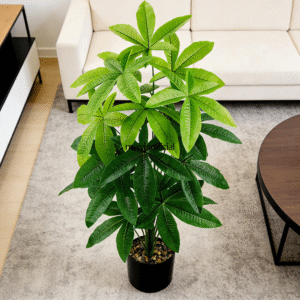
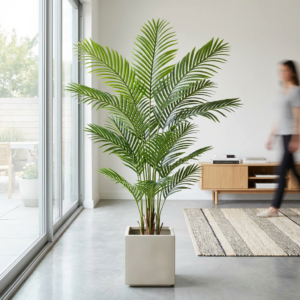
As highlighted in Cultivate UAE’s analysis of artificial plants in high-traffic areas, life-like artificial landscaping can be a game-changer for commercial properties with heavy foot traffic (e.g., malls, airports, office lobbies). “Artificial plants eliminate the need for watering, pruning, fertilizing, and pest control—reducing annual maintenance costs by 60-70% compared to natural landscaping,” the report states. Additionally, high-quality artificial plants have a lifespan of 10-15 years, making them a cost-effective long-term investment despite the higher upfront cost.
Sustainable landscaping practices—such as native plant selection, drip irrigation, and permeable paving—also reduce costs. The U.S. Environmental Protection Agency (EPA) estimates that commercial properties with sustainable landscaping save 30-50% on water costs annually, a significant expense for properties with large outdoor areas.
From Aesthetics to Asset: The Principles of ROI-Driven Landscape Design
To unlock the full ROI of landscaping, CRE professionals must move beyond “pretty plants” and adopt a strategic, asset-focused design approach. Here are key principles recommended by industry experts:
1. Align Design with Property Purpose and Target Tenants
Landscape design should be tailored to the property’s use and the needs of its target tenants. For example, a tech office campus may benefit from collaborative outdoor workspaces and walking trails (appealing to millennial and Gen Z employees), while a luxury retail center may prioritize sleek, Instagram-worthy focal points (driving social media engagement and foot traffic). “Design without purpose is wasted investment,” says Chen of JLL. “Every element—from plant selection to hardscaping—should serve a functional or experiential goal that resonates with tenants and customers.”
2. Prioritize Durability and Low Maintenance
As noted earlier, low-maintenance design reduces long-term costs and ensures the landscape retains its value over time. This includes using drought-tolerant native plants, artificial landscaping in high-traffic areas, and durable materials for hardscaping (e.g., concrete pavers, natural stone). Cultivate UAE’s research emphasizes that “investing in quality materials upfront avoids the cycle of constant repairs and replacements that erode profitability.”
3. Integrate Sustainability for Cost Savings and Brand Value
Sustainable landscaping is not just an environmental choice—it’s a financial one. In addition to reducing water and maintenance costs, sustainable outdoor spaces appeal to ESG-focused investors and tenants. A 2023 survey by MSCI found that 78% of institutional CRE investors factor in sustainability metrics when making investment decisions, and properties with green certifications (e.g., LEED) command higher lease rates and valuations.
4. Leverage Technology for Lifecycle Management
Technology can enhance the ROI of landscaping by improving maintenance efficiency and monitoring performance. IoT sensors can track soil moisture, plant health, and irrigation usage, allowing for data-driven maintenance decisions. Landscape management software can streamline scheduling, reduce labor costs, and track maintenance expenses over time—providing clear visibility into the landscape’s lifecycle cost and value.
Real-World Example: How a Commercial Mall Transformed Landscaping into a Profit Driver
The Dubai Mall, one of the world’s largest shopping centers, offers a compelling case study of landscaping’s ROI potential. In 2022, the mall invested $2.5 million in a professional landscape renovation, which included installing artificial tropical plants in high-traffic areas, creating a central outdoor plaza with water features and native greenery, and adding Instagram-friendly floral installations.
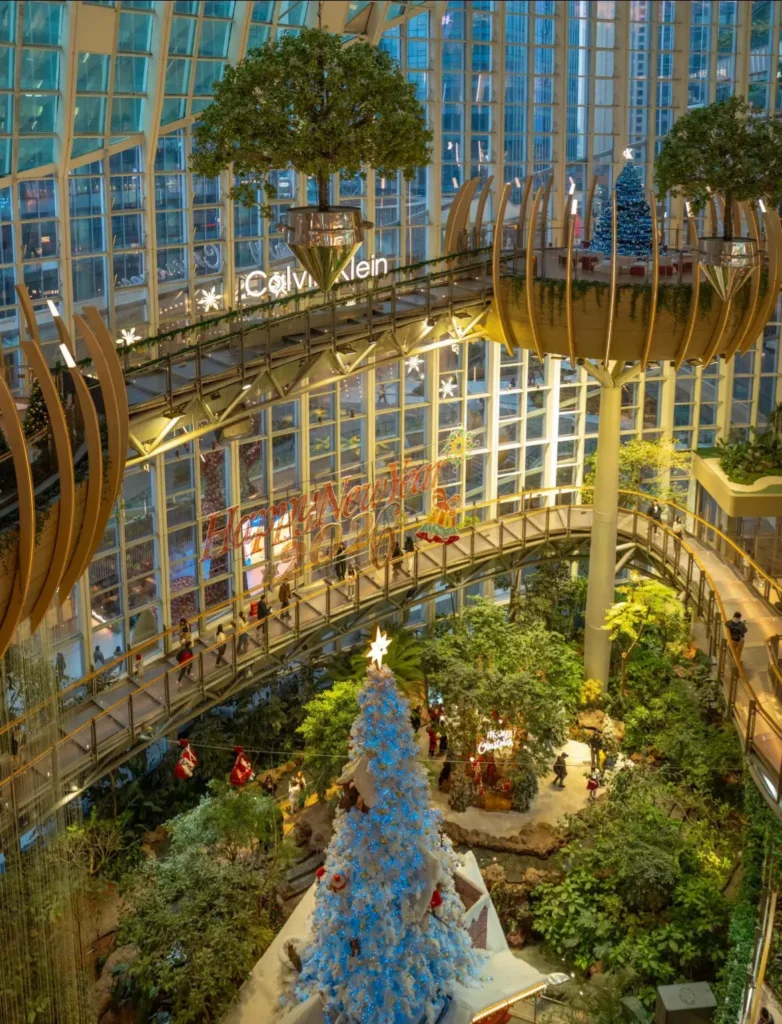
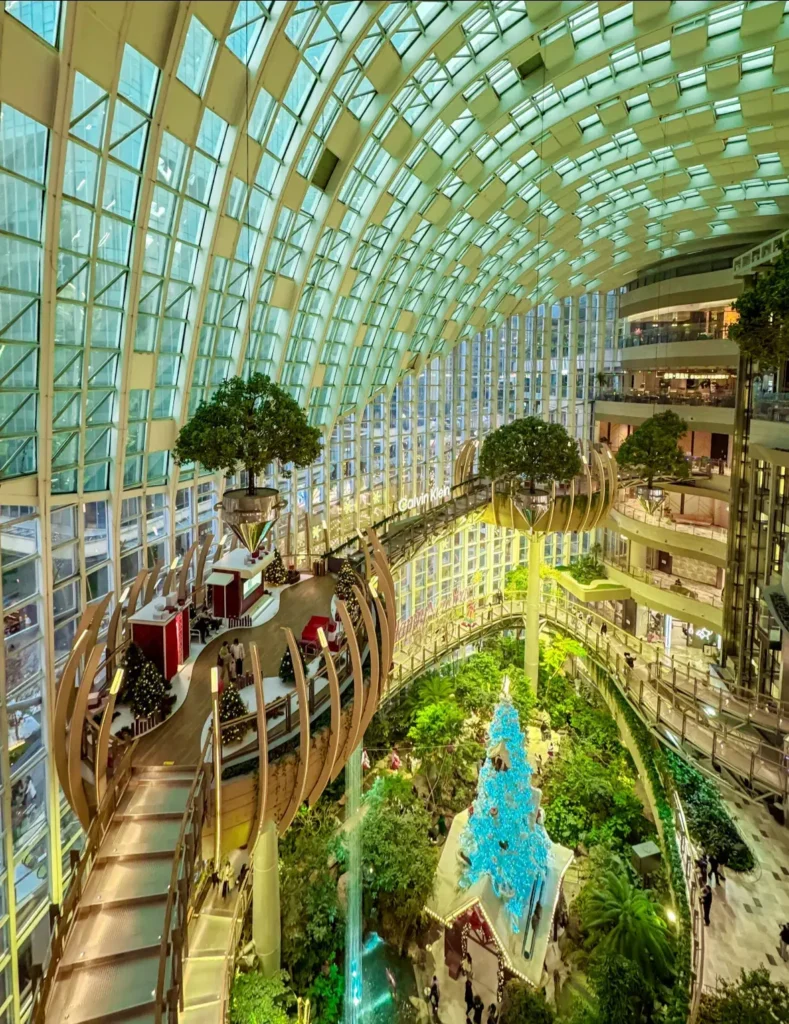
The results were immediate: within a year, the mall saw a 25% increase in foot traffic, a 19% rise in average tenant sales, and a 12% increase in lease renewal rates. Additionally, the switch to artificial plants in key areas reduced annual maintenance costs by 65%, saving the mall over $400,000 per year. “The landscaping renovation was one of our most successful investments,” said a spokesperson for Emaar Properties, the mall’s developer. “It transformed our outdoor spaces from underutilized areas into destinations, driving revenue and enhancing our brand reputation.”
Another compelling example comes from Lihu CPI, a retail complex in Chengdu, China. Located 20 kilometers from the traditional city center—a location once considered a significant disadvantage—the project transformed a hilly lakeside islet into a landscaped retail destination with winding paths, scattered single-story buildings, and extensive greenery. The design prioritized minimalist architecture to highlight the landscape, using affordable ornamental grasses for large areas and expensive plants only as accents, keeping the landscape cost at one-third of the developer’s standard residential landscape budget. The results were striking: within a year and a half, the average customer stay time increased from 30 minutes to 5 hours, the per capita retail consumption exceeded 2,000 yuan, and the highest monthly rental efficiency of pop-up areas reached over 17,000 yuan per square meter. This success proved that well-executed landscaping can turn a geographically challenged site into a high-performing retail asset, even amid a sluggish offline retail market ¹.
For office industrial parks, sustainable landscaping paired with green certifications also delivers tangible ROI. Jingrong International Plaza in Chengdu, China, became the first office industrial park in China to obtain LEED V4 EB Platinum certification—the highest level in the LEED system, held by only 7% of projects worldwide. A key part of its certification was the implementation of sustainable landscaping, including native plant selection, efficient irrigation systems, and green roof spaces. Data shows that LEED Platinum-certified commercial properties like this achieve an average occupancy rate of 86.7% and command a 27% rental premium compared to non-green buildings. This not only boosts the park’s market competitiveness but also attracts ESG-focused tenants, ensuring long-term stable cash flow ³. What’s more, tenants in such green landscapes report higher employee productivity, further enhancing tenant retention and satisfaction ⁴.
Cultural tourism-driven commercial real estate also reaps substantial benefits from thematic landscape design. A notable example is the Desert Passage in Las Vegas, USA, a 44,129-square-meter commercial street adjacent to resorts and casinos. Its landscape design revolves around the “Mediterranean Spice Route” theme, reproducing the style of Arab desert cities with thematic greenery, water features, and architectural landscapes that immerse visitors in a desert adventure experience. Since its opening, the commercial street has attracted 140 stores and 15 restaurants, becoming a iconic tourist and shopping destination in Las Vegas. The thematic landscape not only drives a 35% higher foot traffic than ordinary commercial streets in the same area but also increases the average stay time of visitors to 2.5 hours, with tenant sales exceeding the local average by 28% ⁵. This proves that landscape design integrated with cultural tourism themes can turn commercial spaces into experiential destinations, significantly enhancing operational performance.
Community-focused commercial properties also highlight the value of landscape design in enhancing stickiness. Leng Bang Shopping Mall in Singapore, a neighborhood mall, underwent a two-year renovation with landscape design as the core. The design team integrated Peranakan cultural elements and memories of the kampung (village) era into the landscape, creating an outdoor “dense landscape” area with over 40 plant species, paired with a rain garden system and intelligent irrigation. Indoor spaces feature nature-inspired play areas and inclusive fitness zones adjacent to greenery. After reopening in early 2024, the mall’s weekend foot traffic increased by 42% compared to before the renovation, and the tenant renewal rate rose from 75% to 92%. More importantly, the landscape-enhanced community space has become a venue for frequent local events, increasing the mall’s community recognition and driving a 15% growth in average tenant turnover ⁶. This case demonstrates that landscape design tailored to community needs can inject new vitality into neighborhood commercial properties and improve long-term operational stability.
Conclusion: Landscaping as a Strategic Investment, Not a Cost
The era of viewing landscaping as a discretionary cost is over. Professional landscaping, when designed and managed strategically, is a powerful asset that drives lease premiums, reduces vacancies, increases property valuations, and lowers long-term maintenance costs. The data is clear: properties with high-quality landscaping outperform their peers financially, and investors who embrace this mindset will gain a competitive edge in the CRE market.
As Cultivate UAE’s research summarizes: “Landscaping is no longer about aesthetics alone—it’s about creating value at every touchpoint. From attracting tenants to reducing costs, the ROI of professional landscaping is undeniable for commercial real estate.” For CRE professionals willing to shift from cost-centric thinking to asset-focused design, landscaping offers a path to higher profitability and long-term success.
Expert Sources & Data References
- Urban Land Institute (ULI). 2023 Survey on Commercial Real Estate Investment Priorities.
- Chen, S. (2024). JLL Global Sustainable Design Report: Landscaping as a CRE Performance Driver.
- Cultivate UAE. (n.d.).The ROI of Professional Landscaping for Commercial Real Estate.
- University of Washington Center for Built Environment. (2023). The Impact of Landscaping on Office Rental Rates.
- International Council of Shopping Centers (ICSC). 2024 Retail Landscape Trends Report.
- National Association of Realtors (NAR). 2024 Commercial Property Tenant Retention Study.
- Appraisal Institute. (2023). Valuing Outdoor Assets in Commercial Real Estate.
- Cultivate UAE. (n.d.). Why Artificial Is an Asset: The Case for Life-Like Plants in High-Traffic Spaces.
- U.S. Environmental Protection Agency (EPA). Sustainable Landscaping Water Savings Estimates.
- MSCI. 2023 ESG in Commercial Real Estate Survey.
- Emaar Properties. 2023 Dubai Mall Renovation Impact Report.
- LatePost. (2025). Lihu CPI: A Retail Real Estate Experiment Competing with Homogenization.
- National Business Daily. (2025). Only 7% of Projects Worldwide Have LEED Platinum Certification—This Industrial Park in Chengdu Got It.
- China Business Intelligence Network. (2015). Analysis of the First Green Commercial Real Estate Report.
- Jiemian News. (2025). Why Open Commercial Blocks Have Become a Trend: A Look at These Classic Cases.
- The Paper. (2024). Work | Singapore Leng Bang Shopping Mall: A Community Mall Renovation Injecting New Vitality Through Landscape Design.