
The Rise of Biophilic and Curated Wildness in Commercial Landscaping
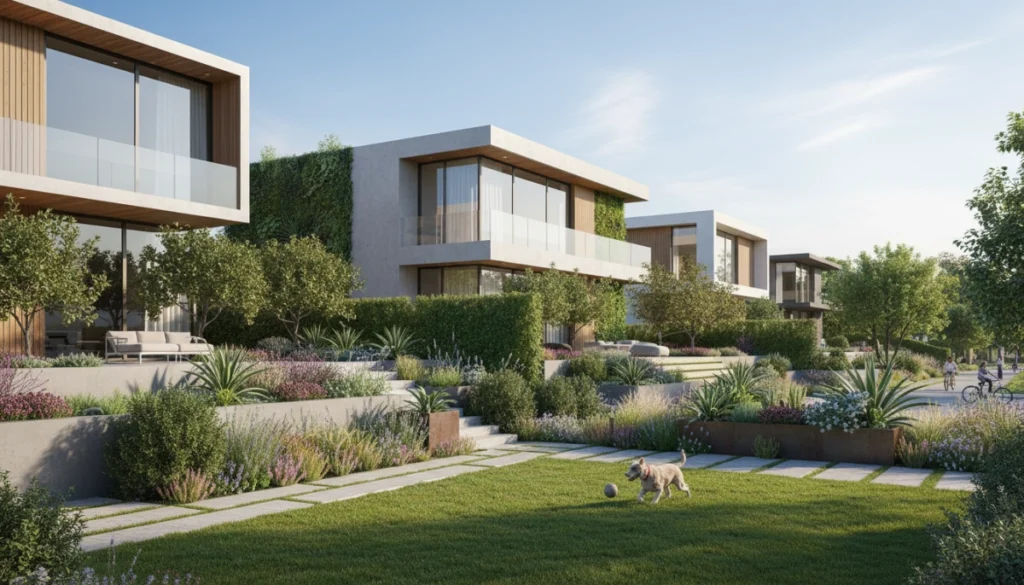
As we move closer to the next design cycle, These 2026 homes & gardens decorate, Landscaping in Commercial plant trends are fundamentally shifting how we interact with our environments. We are moving away from sterile, manicured lawns toward immersive, nature-centric designs. The focus is no longer just on aesthetics; it is about creating functional ecosystems that bridge the gap between the built environment and the natural world.
Integrating Nature for Wellness and Brand Appeal
In the commercial sector, biophilic design commercial spaces have graduated from a buzzword to a necessity. We see property managers and business owners prioritizing green infrastructure not just for curb appeal, but for human health.
- Employee Retention: Green spaces reduce stress and boost cognitive function.
- Brand Identity: A lush, eco-conscious lobby signals a commitment to sustainability.
- Customer Experience: Retail spaces with integrated greenery encourage longer dwell times.
By bringing the outdoors in, or softening outdoor hardscapes with dense plantings, businesses create a tangible sense of sanctuary.
Curated Wildness: Naturalistic Drifts with Structure
The concept of “curated wildness” is dominating curated wildness planting ideas for 2026. This approach rejects rigid symmetry in favor of organic flow, yet maintains a professional underlying structure to prevent the space from looking neglected. We achieve this by blending:
- Naturalistic Drifts: Large swathes of grasses or ferns that mimic natural meadows.
- Architectural Anchors: Using structured trees or hedges to frame the wilder elements.
- Texture over Color: Prioritizing foliage shape and leaf variety over fleeting floral blooms.
This style offers a sophisticated, relaxed atmosphere that feels established rather than freshly installed.
Using Modular Planters and Green Volumes
Flexibility is paramount in modern commercial design. We are increasingly using modular planters urban trends to create “green volumes”—movable walls of foliage that can redefine a space instantly.
- Zoning: Divide open-plan offices or outdoor patios without permanent construction.
- Scalability: Add or remove modules based on seasonal needs or event requirements.
- Depth: Layering planters of different heights creates visual interest and privacy.
Why Artificial Greenery is Key for Year-Round Consistency
While the desire for nature is real, the maintenance budget often isn”t. This is where artificial plants biophilic integration becomes a strategic asset. In high-traffic areas, low-light corners, or hard-to-reach vertical gardens, live plants often struggle or require expensive upkeep.
At meiyiartificial, we understand that commercial clients need year-round interest landscaping without the risk of browning leaves or irrigation failures. High-quality artificial foliage allows designers to install permanent green infrastructure that remains vibrant regardless of climate anomalies or lighting conditions. It ensures the design intent remains intact from day one to year five, providing a sustainable ROI for commercial properties.
Key Plant Trends and Color Palettes for 2026
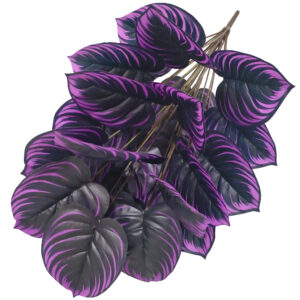
The aesthetic for 2026 is moving boldly toward Jewel tone garden palettes. We are seeing a departure from safe neutrals, replaced by deep purples, moody burgundies, and vibrant oranges that command attention. This shift allows commercial spaces to create dramatic visual impact. For areas requiring consistent color without seasonal fade, adding accents like artificial sunflower bouquets ensures vibrant orange hues remain bright regardless of the weather or lighting conditions.
Prioritizing Resilience and Function
Operational costs drive many landscaping decisions, making Drought-tolerant commercial plants a top priority. We focus on varieties that require minimal water budgeting while maintaining visual appeal.
- Native plants for commercial properties: These reduce resource consumption and support local ecology.
- Hardy Indoor Varieties: Snake plants and resilient Philodendron species (such as Spiritus Sancti or El Choco Red) are staples for live indoor beds.
- Rare Accents: While we admire rare Alocasia (like Silver Dragon or Frydek Variegata), they are often best reserved for controlled environments or replaced with high-end faux replicas in high-traffic zones.
The Role of Lifelike Artificial Foliage
In spaces with low light or heavy foot traffic, an artificial plant is often the most practical solution. We use them to maintain green volumes where live plants would fail. For example, installing artificial hanging vines like Monstera creates a lush, biophilic atmosphere in shaded atriums without the maintenance overhead. This approach guarantees that the design intent remains intact year-round.
Residential Decoration Trends: Bringing 2026 Style Home
As we analyze how these 2026 homes & gardens decorate, one thing is clear: the boundary between the living room and the backyard has dissolved. Homeowners are adopting Landscaping in Commercial plant trends—like structured durability and high visual impact—and applying them to private sanctuaries. We are seeing a shift where outdoor spaces are treated strictly as extensions of the interior, requiring the same level of design detail and comfort.
Patio Culture and Outdoor Rooms
The concept of “patio culture” has evolved beyond a simple table and chairs. We are designing outdoor rooms that mirror interior luxury. This involves using commercial outdoor living spaces principles, such as defining zones with rugs, lighting, and substantial greenery. The goal is to create a seamless flow where the transition from indoors to outdoors feels invisible.
Edible Landscapes and Micro-Gardens
For smaller urban footprints, functionality is key. Edible landscapes residential designs are replacing purely ornamental beds. We are integrating Growing Food directly into the aesthetic design, mixing vegetables and herbs with decorative foliage.
Growing Food is a practice that’s predicted to gain popularity among gardeners in 2026, with fruit trees and citrus, fig, and berry shrubs predicted to be among the most popular. Pollinator-friendly planting is also on the rise, which involves choosing plants for your garden that support the overall local ecosystem. For example, planting flowers that are pollinators or plants like chokeberry and giant coneflower, which provide food sources for birds.
- Micro-gardens: utilizing vertical space and modular planters urban trends to maximize yield in tight corners.
- Dual-purpose planting: Rosemary and lavender serve as both culinary staples and drought-tolerant ground cover.
Low-Effort Elegance with Artificial Plants
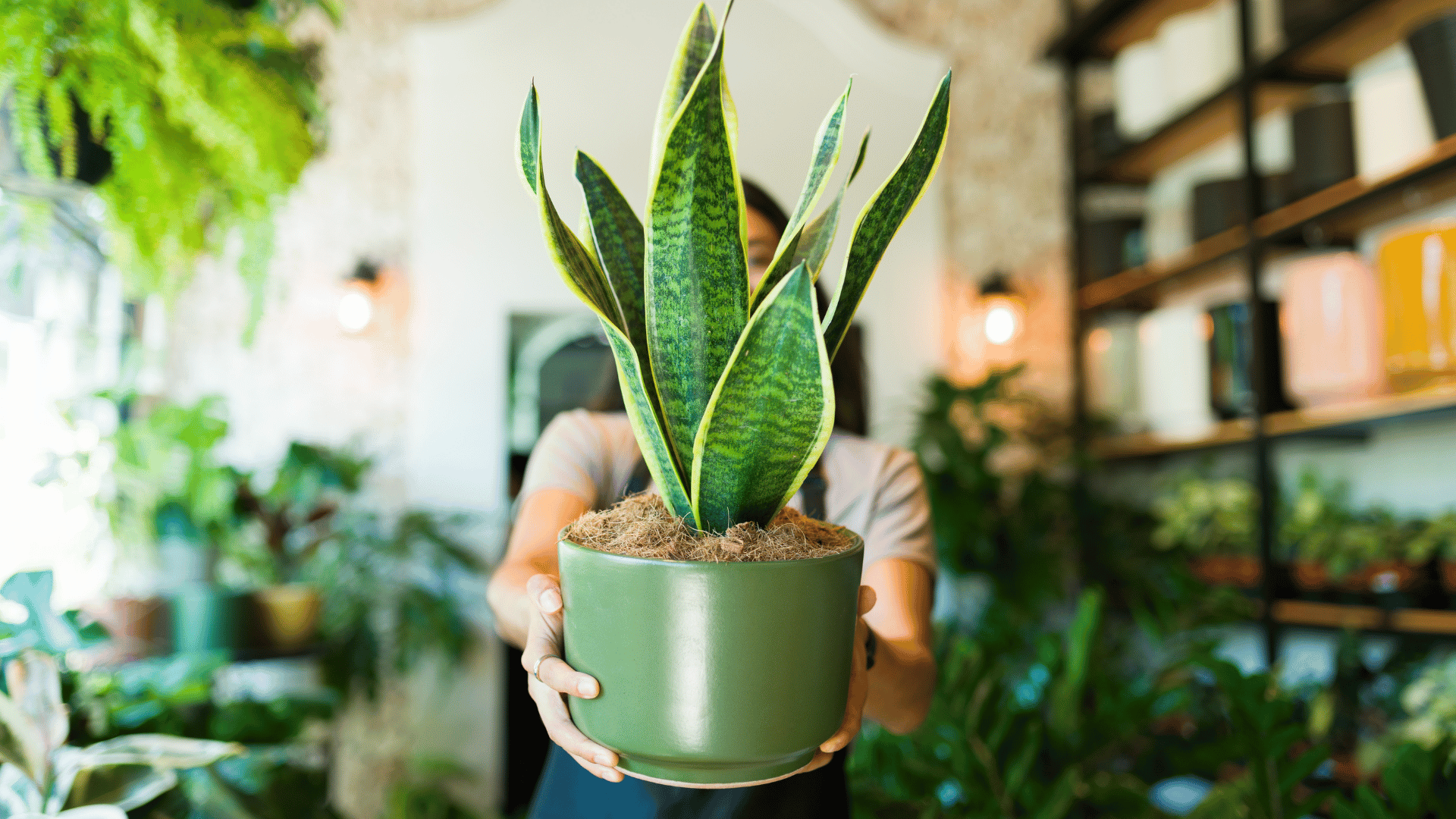
Plants such as Philodendron (e.g., Spiritus Sancti, El Choco Red), Alocasia (e.g., Silver Dragon, Frydek Variegata), Snake plants, and Monstera are predicted to be trending in 2026. The last two have remained popular varieties for several years due to their resiliency and low maintenance requirements. Stylish plants like Ficus (Audrey, Benjamin) and Dracaena are also making a strong comeback.
Millennial and Gen Z houseplant owners are reportedly turning toward rare and hybrid varieties that offer bold patterns and textures. Experts also expect kokedama, a decorative planting technique where plants are grown in a compact, soil-filled ball wrapped in natural fiber and displayed without a traditional pot, to gain popularity as a way to showcase orchids and other tropical plants in people’s homes.
Achieving a lush aesthetic without the constant maintenance is a priority for modern homeowners. We often recommend integrating premium artificial plant elements to ensure year-round greenery in difficult spots. High-quality replicas allow you to enjoy the look of exotic species like Philodendron or Alocasia without worrying about humidity control or specific light requirements.
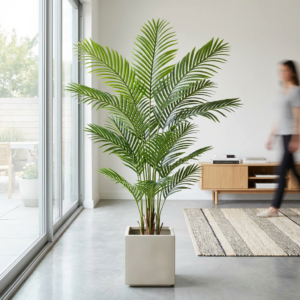
Using a large artificial palm vine green plant can instantly soften a hardscape area that is too shaded for live tropicals. This approach supports low-maintenance landscape plants 2026 goals, reducing water usage while maintaining visual impact.
Softening Hardscapes
To counter the starkness of concrete and stone, we use texture. Fragrant climbers and ferns are essential for softening architectural lines.
- Texture: Snake plants and Monstera provide architectural height and broad leaves that contrast well against fencing.
- Gravel gardening: This method is gaining traction for its drainage benefits and modern look, often paired with drought-resistant faux agave or succulents.Gravel gardening is expected to increase, which is a xeriscaping technique that uses gravel instead of mulch for drought-tolerant plants. This approach is not only aesthetically pleasing, but it also promotes smart water usage. Rewilding is also trending in 2026, which is when you allow certain portions of your garden to “rewild” or self-regulate with little human interference.Gardeners are also reducing lawn space and adopting practices like “leave the leaves” to create a habitat for overwintering insects.
Sustainability and Low-Maintenance Solutions Driving 2026 Choices
In 2026, landscaping isn’t just about aesthetics; it is about resource management. We are seeing a massive shift toward sustainable outdoor design 2026, where every drop of water counts. Commercial properties and homeowners are adopting strict water budgeting, prioritizing climate-resilient garden design that can withstand extreme weather fluctuations without constant intervention.
Hydrozoning and Regenerative Practices
To maximize efficiency, we utilize hydrozoning—grouping plants based on their water requirements. This prevents over-watering drought-tolerant zones while ensuring thirsty plants get enough moisture. However, the most sustainable choice for difficult, high-traffic, or low-light areas is often removing the biological demand entirely.
Key Strategies for 2026:
- Water Budgeting: Allocating strict irrigation limits per zone.
- Regenerative Soil: Using compost and organic matter to retain moisture naturally.
- Hybrid Scapes: Mixing native drought-tolerant species with high-quality faux elements.
Comparing ROI: Live Plants vs. Artificial Landscape Solutions
For commercial spaces, the Return on Investment (ROI) is the deciding factor. While live plants offer environmental benefits, the maintenance costs for “curated wildness” can skyrocket. Artificial plants biophilic integration offers a compelling alternative for cutting operational costs while maintaining visual impact.
| Cost Factor | Live Landscaping | Artificial Landscape Solutions |
|---|---|---|
| Initial Cost | Moderate (Plants + Soil + Irrigation System) | Moderate to High (Premium Materials) |
| Water Usage | High (Ongoing monthly expense) | Zero |
| Maintenance | High (Pruning, fertilizing, pest control) | Low (Occasional cleaning) |
| Replacement | Frequent (Seasonal die-off, disease) | Rare (Long-term durability) |
| Visual Consistency | Variable (Depends on season/health) | Perfect year-round |
Benefits of UV-Resistant Artificial Plants
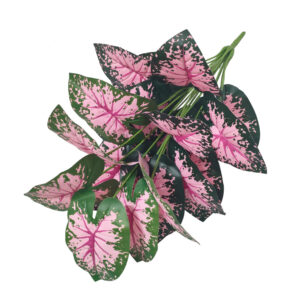
Modern synthetic greenery is engineered for longevity. We use UV-resistant materials that prevent fading, ensuring that installations look vibrant for years, even under direct sunlight. This makes them ideal for commercial rooftops or lobbies where live plant maintenance is impractical. For example, using a durable Artificial Chinese Evergreen plant allows you to add lush, permanent greenery to corners that would otherwise require complex irrigation setups. This approach aligns perfectly with the trend of low-maintenance landscape plants 2026, reducing the carbon footprint associated with water waste and chemical fertilizers.
Practical Implementation: Design Tips and Commercial Applications
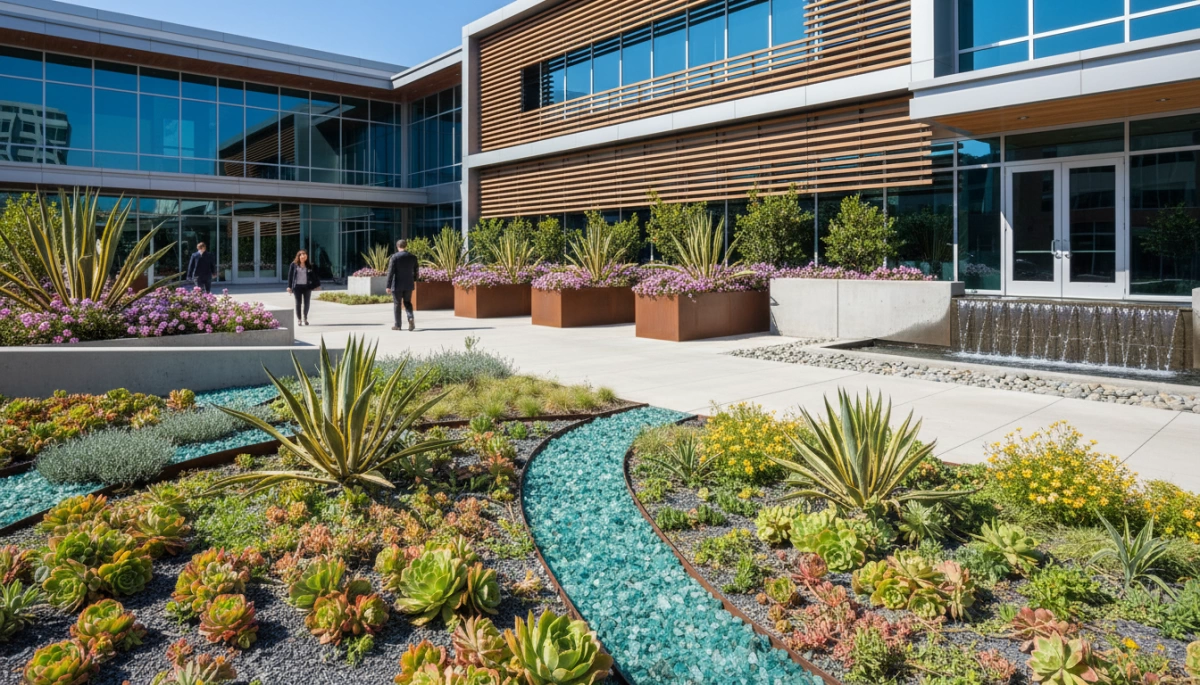
To successfully apply these 2026 homes & gardens decorate, Landscaping in Commercial plant trends, we focus on practical layering, zoning, and material selection. It is not just about picking pretty plants; it is about creating functional, resilient environments that serve the people using them.
Site-Specific Plant Layering for Depth and Texture
Flat, monoculture planting is disappearing. We are seeing a shift toward complex layering that mimics natural ecosystems. This involves placing taller structural plants in the back or center, followed by medium-height shrubs, and finishing with ground cover.
For areas with difficult lighting or accessibility issues, we integrate realistic artificial eucalyptus and camellia stems to add permanent texture and volume. This ensures the design maintains its density and visual appeal year-round without the risk of plants becoming leggy or dying off due to poor conditions.
Creating Social Hubs and Wellness Zones
Commercial outdoor living spaces are becoming extensions of the workplace. We are designing these areas as “wellness zones” where employees can take breaks or hold informal meetings.
- Privacy Screens: Use tall planters to create secluded nooks.
- Noise Reduction: Dense foliage helps dampen city noise.
- Biophilic Connection: Surrounding seating areas with greenery lowers stress levels.
Hybrid Design: Blending Live and Artificial Elements
The most effective strategy for artificial plants biophilic integration is a hybrid approach. We use live plants in easy-to-access, well-lit areas where they can thrive and purify the air. In contrast, we deploy high-quality faux elements in high-traffic zones, dark corners, or elevated spaces where maintenance is costly or dangerous.
Case Study Applications:
- Lobbies: Large-scale artificial trees provide immediate scale and grandeur without heavy irrigation systems.
- Rooftops: UV-resistant faux greenery withstands harsh sun and wind exposure better than delicate live species.
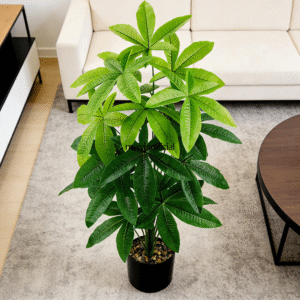
- Interiors: Utilizing diverse indoor artificial plant collections allows us to bring greenery into windowless conference rooms and hallways, ensuring a consistent brand image throughout the property.
Frequently Asked Questions About 2026 Landscaping Trends
What are the biggest commercial landscaping trends for 2026?
The landscape is shifting away from rigid, manicured lawns toward curated wildness planting ideas and adaptive reuse. The top 2026 commercial landscaping trends focus on creating immersive environments rather than just decoration. We are seeing a massive surge in:
- Modular planters urban trends: Flexible containers that allow spaces to be reconfigured for events.
- Purpose-driven plant selection: Choosing species that support local ecology or specific aesthetic goals without high resource demands.
- Hybrid Spaces: Blending live native groundcovers with premium artificial focal points for year-round consistency.
How do I incorporate biophilic design into a commercial space?
Biophilic design commercial spaces rely on connecting occupants with nature, but that doesn’t always mean high-maintenance living walls. The goal is visual abundance. To achieve this in difficult indoor climates or high-traffic zones, we often recommend installing artificial hanging vines and Monstera decor to create lush, green canopies. This approach delivers the psychological benefits of artificial plants biophilic integration without the risk of water damage or pest issues common in commercial interiors.
Are artificial plants sustainable for large-scale landscaping?
Yes, when viewed through the lens of resource conservation. Sustainable outdoor design 2026 isn’t just about being biodegradable; it’s about water stewardship. In many US regions, drought-tolerant commercial plants are mandatory. High-quality faux landscaping eliminates irrigation needs, fertilizers, and the carbon footprint associated with replacing dead plant stock seasonally. For long-term installations, UV-resistant artificial options provide a stable, eco-conscious alternative that supports water budgeting goals.
What color palettes are trending for 2026 gardens?
We are moving away from safe pastels and into bold, moody atmospheres. Jewel tone garden palettes are dominating the design boards for 2026. Expect to see:
- Deep Purples and Burgundies: Plants like “El Choco Red” Philodendrons or dark-leaved Alocasias.
- Emerald and Forest Greens: creating a dense, calming backdrop.
- Burnt Oranges and Rusts: Adding warmth and contrast.
These colors add depth and sophistication, making commercial outdoor living spaces feel more like high-end interior rooms.
Overall Themes:
Intentional Growing: Choosing plants for personal wellbeing and a connection to nature.
Low Maintenance: A driver for plant selection for the past several years, with a new rise in manageable container gardening.
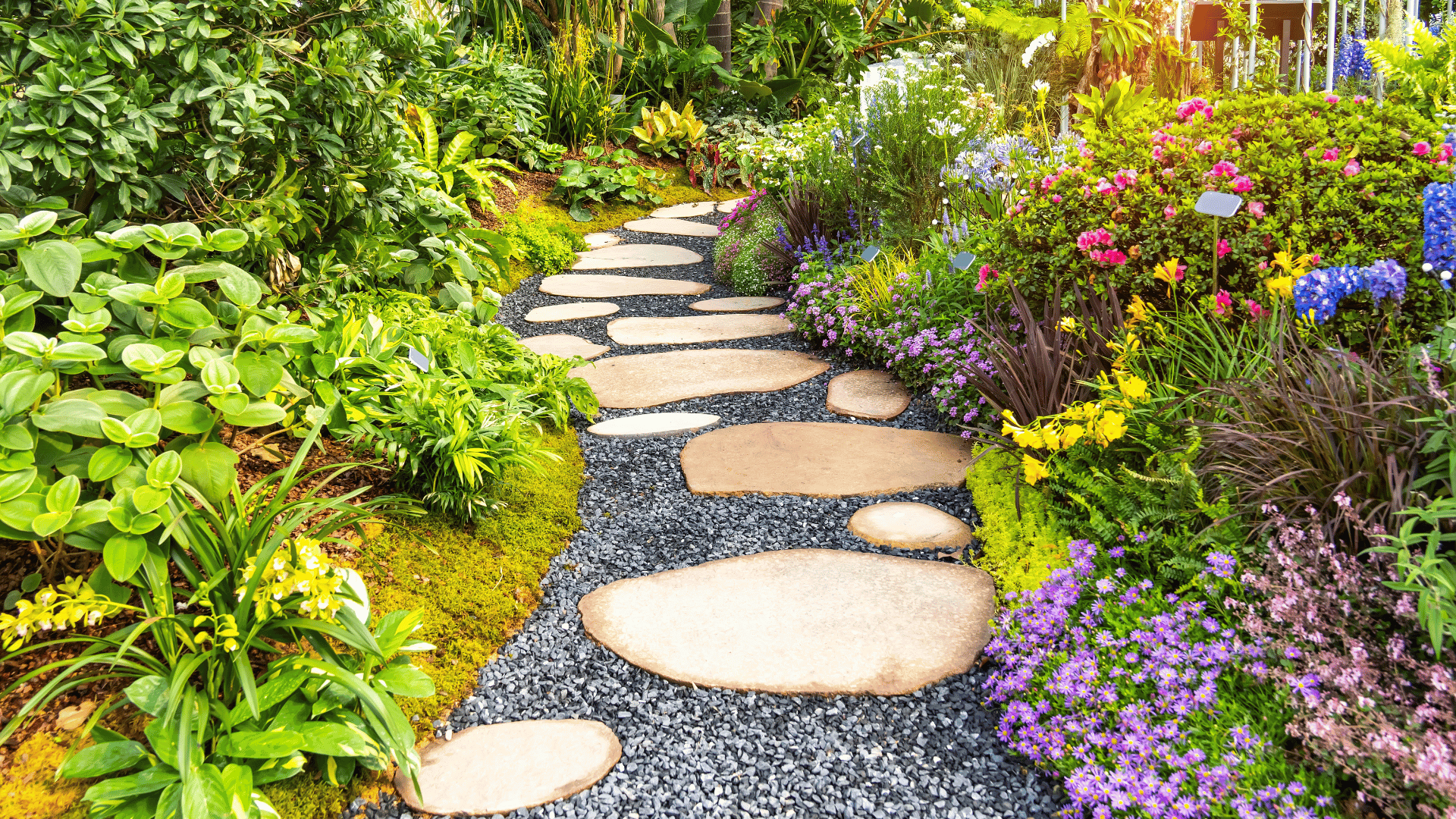
“Lived-In” Gardens: Naturalistic landscapes with winding paths and mixed textures over overly perfect designs.
Eco-Friendly Practices: Creating gardens that benefit the environment and support a host of ecological functions will be an ongoing trend, the Pennsylvania Horticultural Society predicts.
Artificial Intelligence: Several new garden design applications utilize AI, and many plant identification apps also use AI to help people identify and learn about plants they spot in the wild.