

Environmental Impact of Traditional Christmas Trees and Decorations
Choosing how to decorate for Christmas might seem simple, but it has a real effect on our planet. Many of us wonder: Are real Christmas trees better than artificial ones? What about all the decorations we use—do they harm the environment? Let’s break down the facts.

Real Trees: Benefits vs. Drawbacks
Benefits:
- Renewable and biodegradable.
- Often locally grown, supporting small farms.
- Absorb CO₂ while growing.
- Can be composted or mulched after use.
Drawbacks:
- Transportation emissions if shipped long distances.
- Need water and sometimes pesticides.
- Single-year use leads to annual cutting.
- Disposal can be tricky in urban areas.
| Pros | Cons |
|---|---|
| Renewable resource | Transport carbon footprint |
| Biodegradable | Limited lifespan |
| Supports local growers | Water and chemical use |
Conventional Artificial Trees: Reusability vs. Production Emissions
Artificial trees last for years, reducing annual tree cutting. But their production involves plastic, metal, and significant energy use, leading to higher upfront carbon emissions. They often come from overseas factories adding transport emissions.
Key points:
- Reusable for 5–10+ years if well cared for.
- Made mostly from PVC and metal.
- Manufacturing emits greenhouse gases.
- Disposal is challenging; often non-biodegradable.
Common Decoration Pitfalls: Single-Use Plastics and Waste
The holiday season often brings tons of disposable decorations. Many ornaments are made from single-use plastics, glitter, and non-recyclable materials.
- Excess packaging adds waste.
- Tinsel and plastic ribbons are hard to recycle.
- Cheap decorations break easily, increasing landfill waste.
What to watch out for:
- Avoid cheap, single-use plastic ornaments.
- Skip glitter that contaminates recycling.
- Choose durable, reusable decorations instead.
By understanding the real environmental costs of traditional Christmas trees and decorations, we can make smarter, eco-friendly choices.
Interestingly, an American environmental company created The Plant Library—a comprehensive plant rental studio that originated in San Francisco and now has branches in Los Angeles, Austin, New York, and Florida—with a simple and cyclical concept: “Our plants are like a library. We rent them to customers, they enjoy them during their events, and then return them to us afterward. We take good care of them and let them recover,” Myka explained. This innovative approach to plant recycling can also inspire people to explore environmentally friendly methods and concepts.
Next, let’s explore the rising trend of reusable artificial Christmas plants and how they fit into a greener holiday season.
Rising Trend: Reusable Artificial Christmas Plants
Reusable artificial Christmas plants are gaining popularity worldwide, thanks to their durability and zero maintenance needs. Unlike real trees, these plants don’t shed needles or require watering, making them a hassle-free choice for many households. Their lasting quality means you can use them year after year, reducing waste and the environmental impact of single-use decorations.
Modern advancements have dramatically improved the look and feel of artificial plants. Today’s designs feature highly realistic foliage crafted with eco-conscious manufacturing processes, which lower production emissions compared to older models. This combination of aesthetics and sustainability makes reusable artificial Christmas plants an attractive option for green holiday decorating ideas.
Over time, investing in quality artificial plants results in a lower carbon footprint. Since they eliminate the need for yearly tree cutting, transport, and disposal, they contribute to a more environmentally friendly Christmas celebration. Plus, they free you from the seasonal chore of tree maintenance.
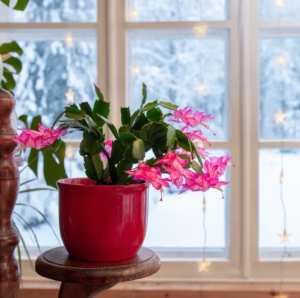
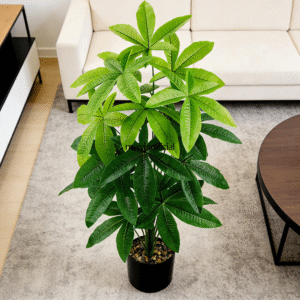
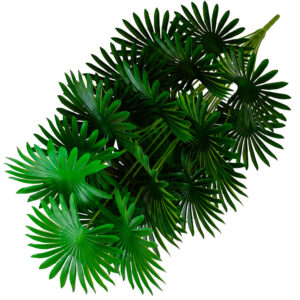
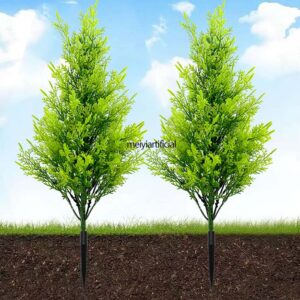
Innovative options like the artificial Christmas Cypress and Christmas Cactus from meiyiartificial combine style and sustainability beautifully. These plants offer a fresh alternative to traditional trees while fitting seamlessly into eco-friendly Christmas tree alternatives. Explore these durable, lifelike plants to add a touch of green without the mess. For example, the artificial Christmas Cypress offers a compact, elegant option perfect for indoor or outdoor eco-conscious decorating.
Eco-Friendly Christmas Tree and Decoration Solutions Around the World
Around the globe, countries are embracing sustainable Christmas decorations by tailoring eco-friendly Christmas tree alternatives to local traditions and resources.
- Scandinavia favors minimalist wooden trees paired with natural forage decorations like pinecones and berries. LED-lit houseplants bring cozy light without heavy energy use, promoting a green holiday decorating idea.
- In Germany and Central Europe, the focus is on timeless, reusable pieces like Advent wreaths and wooden Christmas pyramids. Many households opt for potted living Christmas trees, which can be replanted after the season, reducing waste.

- Italy often chooses plastic-free designer trees made from cardboard or wood, combining style with environmental care. These alternatives offer a biodegradeable and reusable holiday centerpiece.

- Across the United Kingdom, renting potted trees is a growing trend, lowering demand for cut trees. Recycled ornaments and sourcing from local charities add to the zero-waste holiday decor movement.
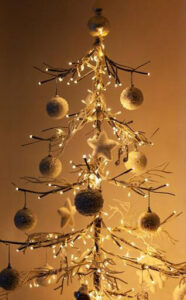
- In the United States and Canada, creative DIY decorations are popular, such as branch trees shaped from gathered twigs or stacked books fashioned into tree shapes. LED Christmas lights and compostable natural ornaments help keep things eco-friendly.

- Down in Australia, native plants are cleverly shaped to mimic classical Christmas tree forms, while driftwood decorations offer coastal charm without cutting live trees.
- Asia brings unique touches like paper origami trees and using fabric wraps for decor. Indoor houseplants double as festive decorations, reducing reliance on traditional potted or artificial trees.
- Tropical regions use potted Norfolk pines, poinsettias, and festive centerpieces featuring Christmas Cactus for a natural, reusable, and vibrant holiday feel. For those interested in durable artificial alternatives, offerings such as the realistic Artificial Cypress Topiary from meiyiartificial offer an eco-conscious way to enjoy festive greenery year after year.
These diverse solutions highlight the global shift towards eco-friendly Christmas tree choices and decorations, combining tradition with sustainability.
Practical Eco-Friendly Decoration Ideas
When it comes to sustainable Christmas decorations, simple, natural touches make a big difference. DIY ornaments like dried oranges, cinnamon sticks, and popcorn garlands bring warmth without waste. These biodegradable tree ornaments not only smell great but also reduce reliance on plastic.
For lighting, energy-saving LED and solar-powered strings are excellent choices—they use less power and last longer, making your green holiday decorating ideas bright and eco-friendly. Upcycled accents such as fabric ribbons, wooden beads, and heirloom pieces add character while cutting down on single-use waste.
If you want to skip full trees, consider alternatives like wall-mounted ladders decorated with lights and ornaments, branch arrangements, or festive decorated houseplants. These options are perfect for creating zero waste holiday decor with charm and style. For instance, pairing your artificial Christmas Cypress or Christmas Cactus with natural decorations can enhance the look while keeping things sustainable and easy to maintain.
How to Choose and Maintain Sustainable Options
Choosing the right artificial Christmas plants is key to enjoying eco-friendly Christmas tree alternatives that last for years. Focus on these essentials:
| Tip | Details |
|---|---|
| Realistic foliage | Look for artificial plants with lifelike leaves and textures for authentic appeal. |
| Durability | Choose UV-resistant, sturdy materials to avoid wear and fading. Products like our UV resistant faux camellia and eucalyptus offer long-lasting quality. |
| Size & style | Pick shapes and sizes that suit your space and style, such as artificial Christmas Cypress or Christmas Cactus for unique, reusable greenery. |
Care Guide for Longevity
Keeping your artificial plants in top condition means fewer replacements and less waste:
- Cleaning: Use gentle dusting or a damp cloth to keep leaves fresh.
- Storage: Pack in breathable bags or boxes, avoiding crushing to maintain shape.
- Reuse: Plan multi-year use to maximize environmental benefits and reduce holiday waste.
Integrate Artificial Pieces for Effortless, Waste-Free Elegance
Using reusable artificial Christmas trees and plants is about simplicity and sustainability:
- Mix with natural elements like dried oranges or wooden beads for texture.
- Combine with sustainable LED lights to enhance appearance sustainably.
- Swap out or expand your collection yearly without discarding whole trees.
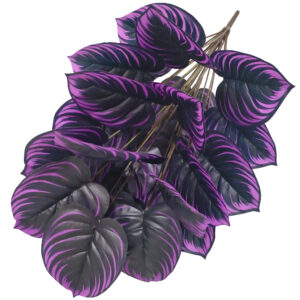
By selecting high-quality artificial plants and maintaining them well, you contribute to zero waste holiday decor, reducing your carbon footprint every festive season. Explore more sustainable greenery options, including simulated artificial Persian fern to complement your eco-friendly holiday setup.