


The Plastic Pollution Crisis
Every day, I get the same question from customers and partners: “Is my small plastic choice really a big deal?” When we zoom out, the answer is yes.
Global Plastic Waste and Ocean Pollution
- The world produces hundreds of millions of tons of plastic every year, and a huge share is used once and thrown away.
- Millions of tons of plastic enter rivers and oceans annually, forming garbage patches and choking coastlines.
- Most of this is petroleum-based plastic, not designed to go away, only to break into smaller and smaller pieces.
Why Petroleum Plastics Last for Centuries
Traditional plastics are made from fossil fuels and built for durability, not disappearance:
- Their long, stable polymer chains resist heat, sunlight, and microbes.
- A single plastic bag or packaging film can take hundreds of years to fully degrade.
- Instead of returning to nature, they turn into microplastics that stay in the environment.
Microplastics and Health Risks
As conventional plastics fragment, they create tiny particles under 5 mm:
- Marine animals mistake microplastics for food, leading to blocked organs, starvation, and toxic build‑up.
- These particles move up the marine food chain, ending on our plates in seafood, salt, and even drinking water.
- Microplastics can carry chemicals and pollutants, raising real concerns for human health and marine environment protection.
The Problem with Many “Biodegradable” Plastics
Not all “green” plastics are truly green:
- Many so‑called biodegradable plastics only break down in industrial composting conditions (high heat, controlled moisture).
- In real life—oceans, rivers, landfills, normal soil—they often behave like normal plastic, still creating microplastic pollution.
- “Oxodegradable” and some starch‑blended plastics can fragment faster, but they still leave plastic residues in the environment.
This is exactly why we’re investing in cellulose-based biodegradable plastic and supramolecular plastic innovations that are designed from the start to protect the Earth from plastic pollution, not just shrink the problem into smaller pieces.
What Is Cellulose Plastic?
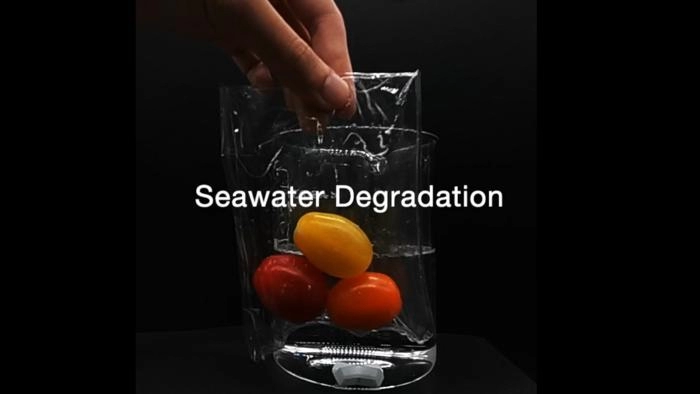
Cellulose plastic is a bioplastic made from plant cellulose, not from oil. Cellulose itself is the tough, fibrous part of plants – the natural “framework” in wood, leaves, and stems. When we turn that renewable plant cellulose into a cellulose-based biodegradable plastic, we get materials that can look and feel like normal plastic but are designed to break down much more safely.
Where the cellulose comes from
Instead of drilling for fossil fuels, we can make plant‑derived plastic alternatives from:
- Wood pulp from sustainably managed forests
- Agricultural waste like straw, husks, and bagasse
- Crop residues that would normally be burned or thrown away
This is how we create bioplastic from agricultural waste and bio-based polymer materials with a lower carbon footprint.
How cellulose plastic differs from oil-based plastic
Compared with traditional petroleum plastics:
- It’s made from renewable plant cellulose, not finite fossil fuels
- It can be engineered for compostable, microplastic‑free degradation
- It supports circular economy plastics, turning plant waste into useful products
- It helps cut long‑term plastic pollution in oceans and landfills
For decor and lifestyle, this means we can design long‑lasting items like artificial plants using smarter materials instead of heavy, cheap petro plastics. Even today, many global buyers choose durable pieces such as our UV‑resistant faux greenery for outdoor decoration made to reduce replacement frequency and overall plastic waste, like this artificial wheat grass outdoor plastic plant.
A quick history and why it’s back
Cellulose plastics aren’t new. Early forms like celluloid and cellulose acetate were used in:
- Film and photography
- Buttons, toys, and early consumer goods
They faded as cheap petroleum plastics took over. Now they’re making a comeback because:
- Marine environment protection and microplastic pollution are global priorities
- Brands and consumers want eco‑friendly plastic innovation and ocean‑safe bioplastics
- New tech like supramolecular cellulose polymers and carboxymethyl cellulose plastic is solving old issues around stability and performance
For us as a manufacturer, this shift is key: combining realistic artificial greenery (for example, flocked lavender fake bouquets) with next‑gen cellulose-based biodegradable plastic is exactly how we cut long‑term plastic impact without sacrificing style or durability. Of course, this material is still in the early stages of laboratory research and needs further study by scientists in order to be commercialized on a large scale. However, we are happy to see it succeed. We hope that this material will enable our artificial plant products to better protect the Earth’s marine environment, since too many species have been “killed” by humans.
How Plant Cellulose Becomes a New Type of Plastic
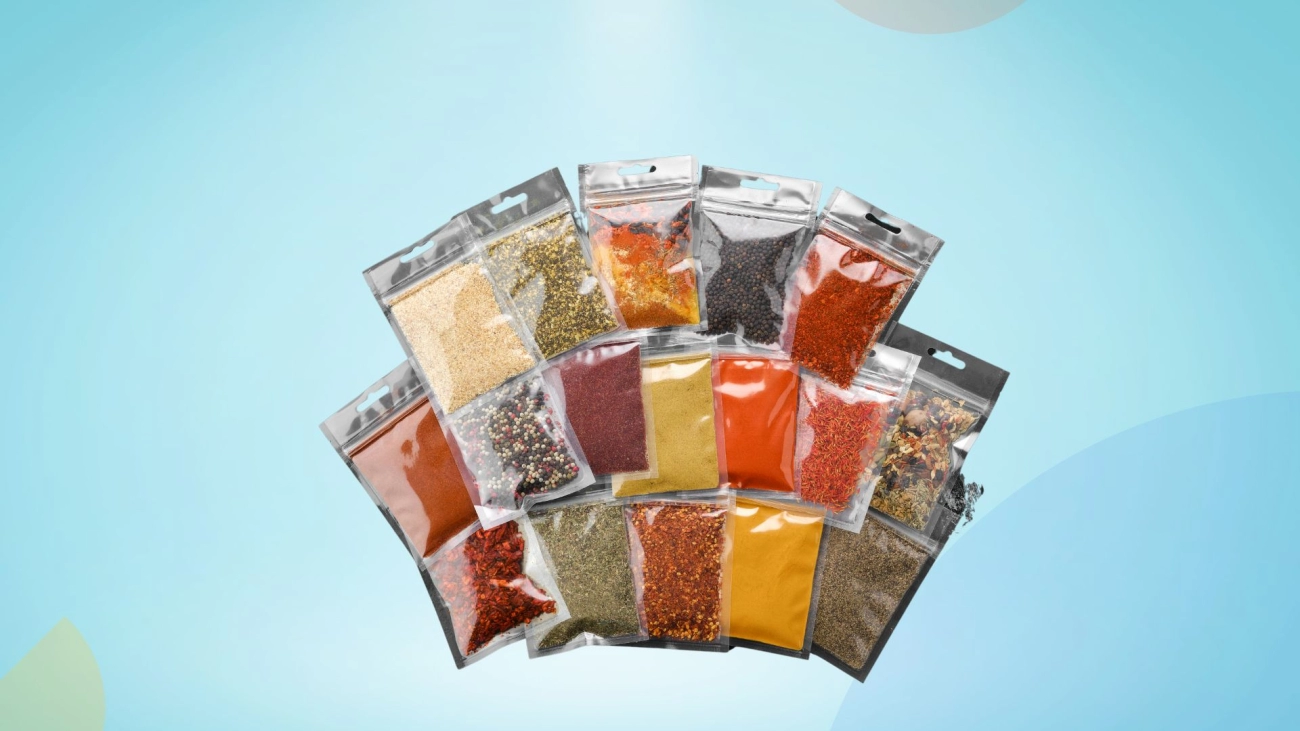
I work with plastics and artificial greenery every day, so I’ll keep this simple and straight to the point. Turning plant cellulose into a cellulose-based biodegradable plastic is basically about cleaning, tweaking, and shaping a natural polymer so it behaves like plastic—without the long‑term pollution.
1. From Plants to Plastic Granules: Basic Steps
Most cellulose comes from wood pulp and agricultural waste (like crop residues). The path from plant to plastic looks like this:
| Step | What Happens | Why It Matters |
|---|---|---|
| 1. Source | Wood pulp, straw, or other biomass is collected | Uses renewable plant cellulose instead of oil |
| 2. Purify | Remove lignin, oils, and impurities | Gives a clean, consistent biopolymer base |
| 3. Modify | Turn cellulose into cellulose derivatives (like CMC) | Makes it processable like plastic |
| 4. Blend | Mix with plasticizers, salts, or other bio-based polymers | Adjust flexibility and performance |
| 5. Form | Extrude into plastic granules, films, or molded parts | Ready for packaging, decor, or product use |
We then process these granules similar to traditional plastic pellets, but the material is bio-based and designed to break down cleanly.
2. Chemical Modification: Carboxymethyl Cellulose (CMC)
Natural cellulose doesn’t melt like normal plastic. That’s why we use controlled chemical tweaks such as carboxymethyl cellulose (CMC):
- Carboxymethyl groups are added to the cellulose chain
- This creates a water‑tunable, processable biopolymer
- It can be turned into supramolecular plastic that stays strong in use, but can be designed to dissolve in saltwater or biodegrade in soil
In more advanced versions, these CMC chains are ionically crosslinked with salts, forming carboxymethyl cellulose supramolecular plastic (CMCSP)—a key tech for future saltwater degradable material and ocean-safe bioplastics.
3. Tuning Strength, Flexibility, and Transparency
We can “dial in” different properties depending on the application—whether it’s sustainable packaging materials or parts for artificial plants:
- Strength
- Increase cellulose content or crosslink density
- Add natural fibers for tough, rigid parts
- Flexibility
- Add bio-based plasticizers (e.g. glycerol, sorbitol)
- Change molecular weight and chain interactions
- Transparency
- Use highly purified cellulose
- Optimize processing and cooling to avoid haze
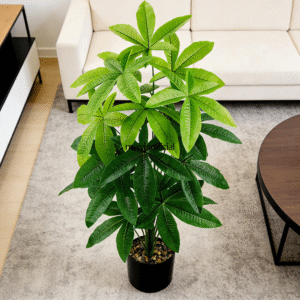
This tuning lets us use cellulose plastics in flexible films, coatings, and decor items. For example, we can try to design thin, flexible faux leaves like our simulated artificial Persian fern green plants while cutting down dependence on conventional petro‑plastics.
4. Cellulose Plastic vs Other Bioplastics (PLA, PHA, Starch)
Here’s the quick comparison most people ask for:
| Material | Source | Biodegradation | Key Upside | Key Limit |
|---|---|---|---|---|
| Cellulose plastic / CMCSP | Wood pulp, agricultural waste | Can be engineered for microplastic-free degradation, even in saltwater | Uses abundant biomass; can be seawater-soluble | Still scaling up production |
| PLA (polylactic acid) | Corn, sugarcane | Mainly in industrial composting (high heat) | Widely available; good for rigid packaging | Poor marine degradation; can leave microfragments |
| PHA | Bacteria fermentation | Biodegrades in soil and marine environments | Very promising for marine environment protection | Costly, limited volume |
| Starch-based plastics | Corn, potato, etc. | Often needs specific composting conditions | Cheap, renewable | Can absorb water, deform, and sometimes still leave residues |
The big advantage with cellulose-based biodegradable plastic is that we can design it to fully dissolve without microplastics, especially with supramolecular cellulose polymer tech like CMCSP. That makes it a serious green alternative to petroleum plastic for both packaging and decor products like artificial dried eucalyptus stems for home and wedding decor. This is a wonderful vision, and I believe it will definitely come true in the future.
As an artificial plant manufacturer, my goal is simple: move our materials from fossil-based plastics toward renewable, ocean-safe bioplastics that protect the marine environment and still look great in your home.
Breakthrough: Saltwater‑Degradable Cellulose Plastics (CMCSP)
The big shift in 2026 isn’t just “another bioplastic.” It’s a saltwater‑degradable cellulose-based biodegradable plastic that’s engineered to disappear in the ocean without turning into microplastics.
What makes this 2026 cellulose plastic different
This new material is built from renewable plant cellulose (wood pulp, agricultural waste, crop residues) but structured as a supramolecular cellulose polymer. That means:
- It behaves like normal plastic during use (solid, strong, moldable).
- It’s designed to fall apart in seawater, not stay there for decades.
- It leaves no persistent microplastic pollution in the marine environment.
For us as an artificial plants manufacturer and supplier, this is a game changer. It means we can move from conventional plastic granules to eco-friendly plastic innovation that actually matches what eco‑conscious customers expect.
CMCSP explained in simple terms
Carboxymethyl cellulose supramolecular plastic (CMCSP) sounds complex, but in plain talk:
- Start with cellulose from plants.
- Modify it into carboxymethyl cellulose (CMC) – a water‑friendly biopolymer.
- Use ionic crosslinking (think “salt bridges” between chains) to form a strong, flexible plastic network.
Because it’s held together by reversible bonds, this bio-based polymer material is stable in dry use, but once it meets seawater, those bonds loosen and the material breaks down quickly.
How it dissolves in seawater without microplastics
In saltwater, CMCSP doesn’t crack into tiny plastic bits. Instead:
- Salt ions disrupt the supramolecular bonds.
- The plastic turns into dissolved cellulose chains, then natural compounds.
- No solid fragments = true microplastic-free degradation.
End result: seawater-soluble plastic that becomes harmless substances like salts, sugars, CO₂ and water, instead of long‑lasting plastic dust.
Lab tests and real‑world results
Early real‑world tests and lab data on this saltwater degradable material show:
- Fast breakdown in seawater (days to weeks, depending on thickness).
- No toxic residues detected in marine life exposure tests.
- No visible microplastics left in test tanks or filtered samples.
- Strong performance in dry use, especially for sustainable packaging materials and disposable decor.
This is exactly the type of material we look at when we design lower‑impact artificial greenery and decor. For example, lighter‑duty items and accessories can be produced with safer, compostable plant-based plastic instead of traditional petro plastics, while more durable decor can use long‑life components combined with eco-conscious packaging such as our simple physical products with sustainable-minded designs.
Science Behind Microplastic‑Free Degradation
How supramolecular polymerization & ionic crosslinking work (in plain English)
This new cellulose‑based biodegradable plastic doesn’t rely on heavy chemistry or toxic additives. It’s built using supramolecular polymerization and ionic crosslinking:
- Supramolecular polymerization: instead of one long, permanent plastic chain, the material is held together by many small “handshakes” (hydrogen bonds, ionic bonds) between cellulose chains. Strong in normal use, but reversible in the right environment.
- Ionic crosslinking: salt‑like ions connect the cellulose chains, acting like “zip ties.” In seawater or moist soil, these ionic links are easily swapped or broken by natural salts and minerals.
The result: a supramolecular cellulose polymer (like carboxymethyl cellulose plastic / CMCSP) that behaves like plastic when you need it, but unlocks itself when nature takes over.
What happens when cellulose plastic hits seawater or soil
When this saltwater‑degradable material reaches the marine environment or damp ground, the structure starts to loosen:
- Water and natural salts get between the chains and unzip the ionic crosslinks
- The plastic doesn’t crack into microplastics – it dissolves into tiny cellulose fragments and then into natural molecules
- Microbes in seawater and soil quickly digest the cellulose, just like plant matter
Because it’s made from renewable plant cellulose (wood pulp, agricultural waste), the breakdown pathway is already familiar to nature.
From solid plastic to harmless natural compounds
Step by step, the supramolecular plastic goes from a solid film or granule to basic, safe compounds:
- First: solid cellulose bioplastic
- Then: dissolved cellulose and natural salts in water
- Finally: CO₂, water, simple sugars, and biomass through microbial activity
No persistent additives, no microplastic residue, and no toxic by‑products – just microplastic‑free degradation that fits into normal carbon and nutrient cycles.
Cellulose plastic vs conventional plastic breakdown
Here’s a quick comparison of how this eco‑friendly plastic innovation behaves versus traditional petroleum plastic:
| Feature | Cellulose‑Based Bioplastic (CMCSP) | Conventional Petroleum Plastic |
|---|---|---|
| Main material | Plant‑derived cellulose (bio‑based polymer) | Fossil‑based polymers (PE, PP, PET, etc.) |
| Breaks down in seawater? | Yes, seawater‑soluble / saltwater degradable | No, persists for decades to centuries |
| Microplastics | No microplastic residue | Massive microplastic generation |
| End‑products | Salts, sugars, CO₂, water, biomass | Persistent fragments, chemical additives |
| Fit with circular economy plastics | High – compatible with composting & bio‑cycles | Low – relies on energy‑intensive recycling |
As a manufacturer working with artificial plants and decor, I’m actively exploring how these plant‑derived plastic alternatives can replace conventional plastic in products like our wheat‑ear artificial bouquets, so decor looks real while staying aligned with marine environment protection and low‑carbon materials.
Environmental Benefits of Cellulose‑Based Bioplastics
1. Zero Microplastic Residue, Ocean‑Safe Degradation
Cellulose‑based biodegradable plastic breaks down cleanly, without leaving microplastics behind.
- Made from plant cellulose, not petrochemicals
- In seawater, advanced supramolecular plastic like carboxymethyl cellulose plastic (CMC) can dissolve into harmless salts and sugars
- No sharp fragments, no invisible fibers, safer for marine life and the food chain
Result: an ocean‑safe bioplastic that doesn’t keep silently polluting for decades.
2. Lower Carbon Footprint from Renewable Plant Cellulose
We use renewable plant cellulose—from wood pulp, agricultural waste, and crop residues—to cut emissions and waste.
| Material Type | Feedstock Source | Carbon Impact |
|---|---|---|
| Petroleum plastic (PP, PE, PVC) | Crude oil, natural gas | High, fossil‑based |
| Cellulose‑based bioplastic | Wood pulp, agri waste | Lower, renewable, circular |
Key points:
- Plants absorb CO₂ while they grow
- Bioplastic from agricultural waste uses material that would otherwise be burned or dumped
- Less dependence on oil extraction, refining, and long‑distance transport
3. Reduced Dependence on Fossil Fuels
Switching to plant‑derived plastic alternatives directly cuts fossil fuel demand.
- Less crude oil used for plastic granules
- Lower exposure to volatile oil prices
- Cleaner upstream supply chain, fewer petrochemical emissions
For brands like ours that produce long‑lasting artificial plants and greenery, the next step is to shift more components to bio‑based polymer materials and cellulose film packaging wherever performance allows.
4. Benefits for Soil, Waterways, and Marine Ecosystems
When designed right, cellulose‑based bioplastics support healthier ecosystems instead of damaging them.
Soil health:
- Compostable plant‑based plastic can turn into organic matter and CO₂, not toxic residues
- No persistent microplastic buildup in farmland and gardens
Rivers and oceans:
- Ocean‑safe bioplastics and seawater‑soluble plastic reduce long‑term marine environment degradation
- Less entanglement and ingestion risk for fish, turtles, and seabirds
Everyday impact:
When customers choose durable decor (for example, a long‑life artificial palm vine plant with tactile rubber leaves) plus biodegradable packaging solutions, overall plastic pollution drops sharply—especially in shipping and single‑use wraps.
Everyday Uses for Cellulose‑Based Biodegradable Plastic
Plant‑derived plastic alternatives are already practical in daily life. With the new saltwater‑degradable, microplastic‑free tech, cellulose plastics can replace a lot of “disposable” items that currently harm the marine environment.
Sustainable packaging materials for food & e‑commerce
Cellulose film packaging made from renewable plant cellulose can be:
- Food wraps and pouches – clear, breathable, compostable, and safe for direct food contact.
- Mailers and cushion wraps – strong enough for e‑commerce, but designed to break down in soil or industrial compost instead of landfills.
- Coated paper – thin cellulose‑based coatings replace PE layers on cups, takeaway boxes, and labels.
These biodegradable packaging solutions cut fossil plastic use and avoid long‑term marine environment degradation.
Flexible films, coatings & single‑use items
This new supramolecular cellulose polymer can be tuned into:
- Flexible films – for snack packs, garment bags, and inner liners.
- Thin coatings – for anti‑grease, anti‑moisture barriers on paper and cardboard.
- Single‑use items – shopping bags, produce bags, and small sachets that are ocean‑safe bioplastics and designed for microplastic‑free degradation.
Consumer products that go back to nature
We can use cellulose‑based bioplastics for:
- Home goods – liners, protectors, and storage films that safely biodegrade.
- Event and decor items – banners, hang tags, and fillers that won’t turn into plastic granules in the environment.
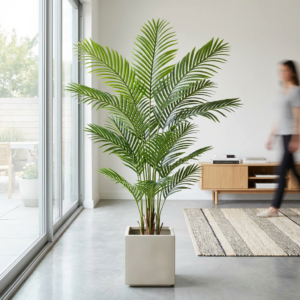
- Artificial greenery – for example, pairing durable plant frames with biodegradable packaging and tags for products like our artificial areca palm trees for indoor and outdoor use keeps decor impact low from shipping to disposal.
This helps cut plastic decor waste without sacrificing style or convenience.
Agriculture, medical & textile applications
Cellulose‑based polymer materials also fit into more technical uses:
- Agriculture – mulch films, seed tapes, and plant clips that compost into the soil instead of leaving plastic fragments.
- Medical – temporary packaging, single‑use covers, and controlled‑degradation films where clean breakdown is critical.
- Textiles – blends and coatings that add performance but are based on bio‑based polymer materials, not pure petro‑plastics.
As a manufacturer focused on artificial plants and greener materials, I see cellulose‑based biodegradable plastic as a direct path to lower‑plastic lifestyles: better packaging, safer disposables, and decor products that align with real environmental impact, not just marketing.
Where artificial greenery brands fit in
Artificial greenery brands like ours sit in a unique spot: we sell long‑life decor, so every design choice matters. We:
- Design plants that last for years, cutting constant replacement and plastic granules waste
- Optimize packaging with sustainable packaging materials and cellulose‑based solutions where feasible
- Encourage customers to “buy once, keep long” instead of cycling through cheap, disposable decor
For example, if you’re outfitting a home or office, choosing long‑lasting decor like our faux palm tree with real-bark design or durable artificial Chinese evergreen plants means fewer low‑quality plastic items heading to landfill, and less pressure on the marine environment.
You can see how this looks in practice with products like our Artificial Chinese Evergreen Plant or this Faux Palm Tree with adjustable wire and real bark design, both built for long service life to support a lower‑plastic lifestyle.
What to look for in sustainable companies
When you’re scanning for truly eco‑friendly plastic innovation and green alternatives to petroleum plastic
Support brands that talk openly about biodegradable packaging solutions, microplastic pollution, and how their materials behave in the marine environment and soil, not just those using vague “eco” claims.
Challenges of Cellulose‑Based Biodegradable Plastic
Cellulose plastics are a big step forward, but they’re not perfect yet. If we want plant‑derived plastic alternatives to scale globally and protect the marine environment from microplastic pollution, we have to be honest about the challenges.
1. Cost, Scale, and Manufacturing Limits
Right now, cellulose-based biodegradable plastic is still more expensive than standard petroleum plastic.
- Raw material prep (wood pulp, agricultural waste) needs extra processing.
- Existing factories are built around fossil‑based plastic granules, not bio-based polymer materials, so retrofitting lines costs money.
- Global supply chains for bioplastic from agricultural waste and wood pulp aren’t as streamlined as petrochemicals.
As a manufacturer, I see brands wanting ocean‑safe bioplastics, but price and stable supply are still the biggest friction points.
2. Durability and Performance Trade‑Offs
Compared with classic petroleum plastics, cellulose plastics can struggle with:
- Moisture sensitivity – some grades lose strength in wet or humid conditions.
- Shelf life – compostable plant‑based plastic can age faster if stored badly.
- Mechanical strength – not all cellulose films can yet match high‑stress packaging or long‑term outdoor use.
For decor and home use, this is why many of our artificial plants and greenery still use more durable materials, while we test newer eco‑friendly plastic innovation options in pilot runs and special collections, like our longer‑life artificial pine needle garlands.
3. Collection, Recycling, and Composting Gaps
Even the best saltwater degradable material and seawater-soluble plastic can cause issues if it’s just mixed into normal trash:
- Many cities don’t have industrial composting or separate bioplastic streams.
- “Biodegradable” items tossed into landfills may break down very slowly with limited oxygen.
- Recycling systems are optimized for PET, PE, PP – not supramolecular cellulose polymer items.
Without proper collection and clear disposal routes, the environmental impact of bioplastics stays below its full potential.
Future of Plant‑Based Plastics
The future of plant‑based plastics is moving fast, and cellulose‑based biodegradable plastic is at the center of it. As a manufacturer working with plastics and artificial plants, I see three big shifts coming.
Smarter, Safer Biopolymers
New research is pushing cellulose-based biodegradable plastic far beyond basic “eco” claims:
- Supramolecular cellulose polymers like carboxymethyl cellulose plastic (CMCSP) are being tuned to dissolve in seawater with microplastic‑free degradation.
- Scientists are building ocean‑safe bioplastics that keep strength and clarity, but break down into harmless salts and natural compounds.
- Bioplastics from agricultural waste and wood pulp cut raw material costs and lower the overall carbon footprint.
Cellulose in a Circular Economy
Cellulose plastics fit perfectly into circular economy plastics models:
- Made from renewable plant cellulose, used as packaging or plastic granules, and then recycled, composted, or safely degraded.
- Waste streams like crop residues and forestry by‑products become bio-based polymer materials, not trash.
- For decor, long‑life artificial plants can replace tons of single‑season plastic decor, especially when brands design greener options like our environmentally conscious artificial Christmas plants.
Timeline for Wider Adoption
Realistically:
- Short term (1–3 years): More biodegradable packaging solutions and cellulose film packaging in food, e‑commerce, and disposable items.
- Medium term (3–7 years): Strong growth in ocean-safe bioplastics, compostable plant-based plastic, and hybrid systems (recyclable + compostable).
- Long term (7–10 years): Plant‑derived plastic alternatives could become the default for many consumer goods, while fossil‑based plastics shrink to niche, high‑performance uses.
What Governments, Brands, and Consumers Must Do
To protect the marine environment and cut plastic pollution in oceans, everyone has homework:
- Governments:
- Set clear standards for biodegradable and compostable labels.
- Tax or phase out the worst petroleum plastics.
- Fund collection, composting, and recycling for bio-based materials.
- Brands & Manufacturers (including us):
- Shift product lines to cellulose-based bioplastics and seawater‑soluble plastic where possible.
- Redesign packaging and decor to use fewer materials and less plastic.
- Be honest—no greenwashing, real test data, real certifications.
- Consumers:
- Choose green alternatives to petroleum plastic whenever you can.
- Support companies using renewable plant cellulose and transparent eco claims.
- Swap short‑life plastic decor for durable, high‑quality artificial greenery like our artificial pothos and ferns, reducing throwaway seasonal waste.
If we combine smart biopolymer innovation, better policies, and smarter buying choices, plant‑based plastics can move from niche to normal—and actually help protect the planet instead of polluting it.
FAQs About Cellulose Plastics and Plastic Pollution
Are cellulose plastics really biodegradable in the ocean and soil?
Yes – true cellulose-based biodegradable plastics made from plant cellulose (like carboxymethyl cellulose supramolecular plastic) can break down in seawater and soil into harmless substances.
The key is the chemistry:
- They’re built from renewable plant cellulose, not fossil fuels
- The structure allows saltwater‑degradable and microplastic‑free degradation
- In the right conditions, they dissolve into natural salts, sugars, CO₂, and water
Always check for clear claims like “marine biodegradable” or “seawater-soluble plastic” backed by standards or test data, not just “eco” wording.
Do these materials release toxins or microplastics when they break down?
High‑quality cellulose-based biodegradable plastic does not release toxic chemicals or persistent microplastics when it’s designed properly.
Instead of fragmenting like normal plastic granules, supramolecular cellulose polymers:
- Break down into non-toxic, bio-based components
- Leave zero microplastic residue in the marine environment
- Are generally safer for soil, waterways, and marine life
Always be wary of vague “oxo-biodegradable” or “degradable” plastic – these often just turn into smaller plastic pieces, adding to microplastic pollution.
How soon can plant-based plastics replace traditional plastics?
Plant-derived plastic alternatives are growing fast, but they won’t replace everything overnight. Realistically:
- Short term (now–5 years): Single‑use packaging, bags, films, and some decor can shift to bio-based polymer materials
- Medium term: More sustainable packaging materials and bioplastic from agricultural waste will scale
- Long term: With better policy and infrastructure, we can push most disposable petro-plastic toward compostable plant-based plastic
My approach as a manufacturer is simple: start with high‑volume plastic items that are easy wins (packaging, decor, artificial greenery components) and move them steadily to green alternatives to petroleum plastic.
How we support you:
🌿 Performance: 98% Highly realistic, low maintenance, no watering, no seasonal damage.
🛡️ Safety: Fire Retardant & UV Resistance options to meet strict commercial codes.
🏭 Capability: OEM/ODM custom designs with Flexible MOQ supporting projects of all scales.
Looking to elevate your next landscaping or interior project? Connect with us for a consultation. At Meiyi, we specialize in providing high-end, realistic greenery solutions tailored for both residential and commercial real estate.