
Market Overview and Size
The artificial plants and flowers market has experienced steady growth over the past decade, driven by increasing consumer interest in low-maintenance home decor and commercial artificial foliage solutions. Historically, the market expanded as manufacturers improved product realism and diversified offerings, moving beyond simple fake flowers to include a wide range of artificial greenery.
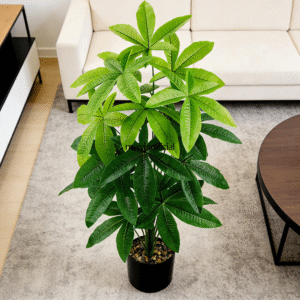
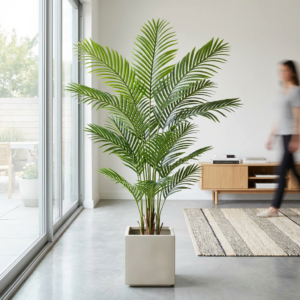
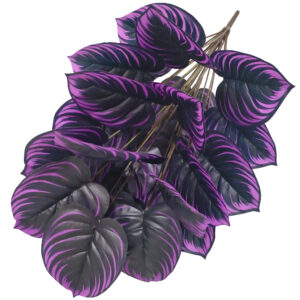
The global artificial plant and flower market is entering a period of structured growth. According to the Artificial Plants and Flowers Market Report, 2025-2035 released by Market Research Future (MRFR), the global artificial plant and flower market size will grow from US$2.827 billion in 2025 to US$4.632 billion in 2030, representing a steady expansion at a CAGR of 5.2%. This growth is driven by the synergistic effect of upgrading consumer demand, technological iteration, and expanding application scenarios. The industry also exhibits distinct development characteristics and clear trends. Artificial plants come in various types, including whole plants and trees, stem flowers, wood and branches, and artificial grass. Whole plants and trees offer realistic landscaping solutions, attracting consumers seeking low-maintenance greenery. Stem flowers are versatile, used for decoration and enhancing interior aesthetics. Wood and branches create a rustic decorative style, while artificial turf meets the needs of those who desire a lush appearance without the need for maintenance. These diverse products help meet the growing demand for artificial plants, especially in residential and commercial spaces, driving the overall artificial plant market to continue growing, and this growth is expected to continue for some time.
Product Material Segmentation
Materials used in artificial plants and flowers vary greatly, influencing both quality and price points:
- Polyester: Currently the dominant material, prized for its durability and realistic texture.
- Silk: Offers high realism, often used in premium products like silk flowers.
- Nylon: Less common but used for flexible, sturdy product varieties.
- Plastic: Widely used for cost-effective, waterproof options but declining due to sustainability concerns.
- Paper: A niche segment focused on eco-conscious and handcrafted designs.
Understanding these segments helps clarify current consumer preferences and market dynamics in the artificial plants and flowers industry.
Key Trends in the Artificial Plants and Flowers Market
The artificial plants and flowers market is seeing a big shift toward hyper-realistic designs and ‘real-touch’ technologies. Consumers want faux plants that look and feel just like the real thing, pushing manufacturers to improve textures and details. This has boosted the realistic artificial flowers trend significantly.
Another strong driver is the rise of biophilic design in interiors. More homes and commercial spaces are using artificial plants for interior design to bring nature indoors without the hassle. This has increased demand for green walls and larger items like artificial trees, which create eye-catching, natural-looking environments at scale.
Functionality is also gaining importance. Features like UV-resistant fake plants, fire-retardant fabrics, and waterproof materials are now expected, especially for outdoor or commercial use. These innovations help extend product life and broaden where artificial greenery can be used.
Social media and DIY home decor trends further fuel the market. Platforms like Instagram and Pinterest inspire people to experiment with faux flowers and greenery, making artificial plants a popular, low-maintenance decor choice. This online buzz supports growth in the fake plants trends 2026 and beyond, keeping the market fresh and consumer-driven.
Development Characteristics and Growth Drivers
The artificial plants and flowers market is growing fast, driven mainly by urbanization and busy lifestyles. More people want greenery that looks good but requires little care. That’s why low-maintenance faux plants are in high demand.
Commercial spaces like hotels, offices, retail stores, and event venues are also boosting demand. These places need durable, attractive greenery that stays fresh-looking without constant upkeep.
Another big factor is the allergy-free and pet-friendly nature of artificial plants. People sensitive to pollen or with pets prefer fake plants since they don’t cause reactions or risks.
Cost-effectiveness plays a key role as well. Artificial plants last much longer than real ones and don’t need watering or replacement, making them more budget-friendly over time.
Finally, the growth of e-commerce and online retail channels has made these products more accessible globally. Buyers can easily find a wide variety of artificial greenery, from silk flowers to large artificial trees, with just a few clicks.
Key growth drivers at a glance:
- Urban lifestyles favoring low-maintenance greenery
- Rising commercial use in hotels, offices, retail, and events
- Allergy-free, pet-safe benefits
- Longer lifespan and cost savings versus real plants
- Convenient online shopping and expanding e-commerce platforms
These factors together keep pushing the artificial plants market forward, meeting the needs of today’s global consumers.
Material Innovations and Consumer Preferences
Polyester and other textile-based materials still lead the artificial plants and flowers market. Their durability, realistic look, and flexibility make them a favorite for both whole plants and artificial bouquets. These materials help brands deliver that sought-after “realistic artificial flowers” vibe, meeting consumer demand for quality without breaking the bank.
At the same time, there a clear shift toward eco-friendly and sustainable options. More buyers now prefer recycled or biodegradable materials as part of the sustainable faux greenery trend. This move is driven by growing environmental awareness and a push to reduce plastic waste in the faux plants industry.
Speaking of plastics, their use is on the decline. Many consumers and brands are moving away from plastic-based fake plants due to concerns over non-biodegradable waste and environmental impact. This shift impacts material sourcing and manufacturing decisions, steering the market toward greener alternatives.
When it comes to pricing, the market splits between premium and economy segments. Premium products often use higher-quality polyester blends or advanced textile materials that offer superior realism and durability. Economy options, meanwhile, focus on affordability, using simpler textiles and less complex designs. This pricing variety allows the artificial flowers market to serve a wide range of customer needs, from budget-friendly home decor to high-end commercial applications.
In :
- Polyester/textiles dominate due to realism and durability.
- Eco-friendly materials like recycled or biodegradable fabrics are growing fast.
- Plastic use is falling because of environmental concerns.
- Clear premium vs. economy pricing tiers help meet diverse customer demands.
This material innovation ensures the artificial greenery growth keeps pace with shifting consumer preferences globally.
Regional Market Analysis
The artificial plants and flowers market varies widely across regions, each showing distinct trends and demands.
North America: A Leader in the Innovative Market
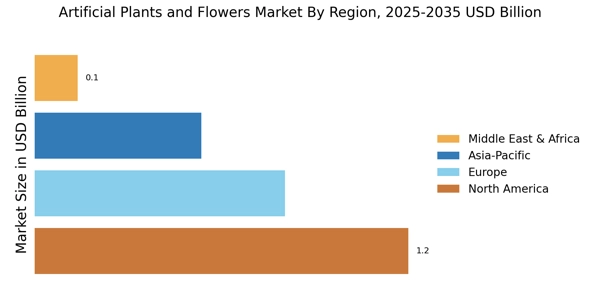
North America is the largest market for artificial plants and flowers, accounting for approximately 45% of the global market share. Growth in the region is primarily driven by increasing consumer demand for low-maintenance home décor and the booming e-commerce market. Regulatory support for sustainable products has further fueled market expansion as consumers seek environmentally friendly alternatives. The US is a major contributor to this market, with key players like Silk Plants Direct and Nearly Natural leading the competitive landscape. The market offers a wide variety of products, from realistic floral arrangements to decorative greenery. The presence of established brands and innovative startups creates a vibrant market environment, ensuring continued growth and adaptation to evolving consumer trends.
Europe: A Potential Emerging Market
Europe is the second largest market for artificial plants and flowers, accounting for approximately 30% of the global market share. Growth in the region is driven by accelerated urbanization and a growing trend towards home décor, particularly in countries like Germany and the UK. Regulatory initiatives promoting sustainability and environmentally friendly products are also a significant driver of market demand. Germany, the UK, and France are leading countries where consumer interest in artificial plants is steadily increasing. Key players in the competitive market include the UK-based Artificial Plants and Flowers Market and the US-based Blooming Artificial. This market is characterized by a blend of traditional and modern design styles, catering to diverse consumer preferences while enhancing the overall aesthetics of living spaces.
Asia Pacific: A Rapidly Growing Market
The Asia Pacific artificial plants and flowers market is experiencing rapid growth, accounting for approximately 20% of the global market share. This growth is primarily driven by increasing disposable income, accelerated urbanization, and a growing interest in home décor. Countries like China and Japan are leading this trend, with increasing demand for easy-to-maintain decorative items. China is the region’s largest market, benefiting from its strong manufacturing base and expanding middle class. The competitive landscape includes both domestic and international companies, with companies like Afloral and Dahlia making significant strides. The market offers a wide variety of products to meet the needs of different consumer groups and preferences, ensuring continued growth in the coming years.
Middle East and Africa: Emerging Market Opportunities
The Middle East and Africa region is gradually emerging in the artificial plants and flowers market, currently accounting for approximately 5% of the global market share. This growth is primarily driven by accelerated urbanization and a growing demand for modern home décor solutions. Countries like the UAE and South Africa are leading this trend, with a growing interest in enhancing the aesthetics of homes. The competitive landscape continues to evolve, with local artisans and international brands vying for market share. The presence of major brands such as Vickerman and Faux Floral is particularly noteworthy, as they continuously adapt their products to meet the preferences of regional consumers. This market, blending traditional and modern design, attracts a diverse consumer base and creates significant growth opportunities.
Challenges and Restraints in the Artificial Plants and Flowers Market
The artificial plants and flowers market faces some key challenges that slow its growth. One major concern is the environmental impact of non-biodegradable materials like certain plastics. Consumers are becoming more eco-conscious and often prefer products that break down naturally, which puts pressure on the industry to innovate sustainable faux greenery.
Another hurdle is the ongoing perception of artificial plants as less authentic compared to real plants. While advances in hyper-realistic designs help, some buyers still feel artificial flowers and greenery lack the natural charm and health benefits of live plants. This affects demand, especially among home decorators seeking genuine biophilic design elements.
Competitive pressure also comes from live plants and sustainable alternatives. As real plants become easier to care for with self-watering pots and improved horticulture, they regain popularity. Sustainable natural decor options offer an eco-friendly appeal that artificial plants sometimes miss.
Lastly, the market is impacted by supply chain disruptions and rising raw material costs. Fluctuations in polyester, silk, and other materials can increase production expenses, which manufacturers may pass on to consumers, affecting pricing and accessibility.
These challenges highlight the need for brands like meiyiartificial to focus on sustainable materials, improved realism, and cost-efficient production to keep growing in the artificial plants and flowers industry.
Future Outlook and Opportunities
The artificial plants and flowers market is set for solid growth through 2030-2032, driven by rising demand for realistic artificial flowers and sustainable faux greenery. As more people look for low-maintenance home decor and businesses seek long-lasting commercial artificial foliage, the market will expand steadily.
Key Opportunities Ahead:
- Sustainable innovations are taking center stage, with brands moving towards eco-friendly materials like recycled fabrics and biodegradable components. Consumers want options that look good and have a lower environmental impact.
- Customization is becoming a big deal. Personalized designs and bespoke arrangements allow buyers to match their space perfectly, fueling growth in both residential and commercial segments.
- Manufacturers now play a crucial role in pushing hyper-realistic designs and improving real-touch technologies, making artificial plants nearly indistinguishable from live ones.
- Functional features like UV-resistant, fire-retardant, and waterproof options continue to gain traction, especially for outdoor use and commercial settings.
I. Core Development Characteristics: Triple Transformation of Demand, Technology, and Landscape
1. Demand Side: Upgrading from “Decorative Necessity” to “Quality Pursuit”
Market demand has moved beyond its singular decorative attribute, exhibiting a diversified and upgrading trend. On the one hand, the fast-paced urban lifestyle has spurred demand for “light maintenance,” with artificial plants, requiring no watering or pruning, perfectly matching the home beautification needs of busy individuals. Residential consumption has continued to rise, accounting for 62% of total consumption. On the other hand, commercial settings have become the main driver of growth. Hotels, shopping malls, and convention centers, among others, are increasing their annual demand for artificial plants by an average of 6.8% to reduce maintenance costs and create a lasting natural atmosphere. High-end commercial spaces show a particularly strong preference for highly realistic products. Furthermore, the rise of customized demands for weddings, festivals, and other events is driving the transformation of products from standardization to personalization.
From a segmented market perspective, by product type: Artificial Flowers (largest market size) and Artificial Trees (fastest growth rate)
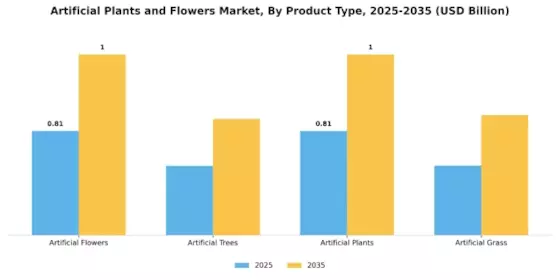
Artificial flowers dominate the market due to their wide range of uses and suitability for various environments (such as homes, offices, and event venues). They provide a lasting solution for floral arrangements, eliminating the need to consider seasonality and maintenance issues like fresh flowers. On the other hand, artificial trees are gradually becoming an important market segment, attracting consumers seeking a striking visual impact without maintenance. They are commonly used in commercial and public spaces where large, eye-catching greenery is required. Advances in design and materials have made artificial trees increasingly realistic, expanding their consumer base and driving the category’s growth.
By End Use: Residential (Largest) vs. Event Decoration (Fastest Growth)
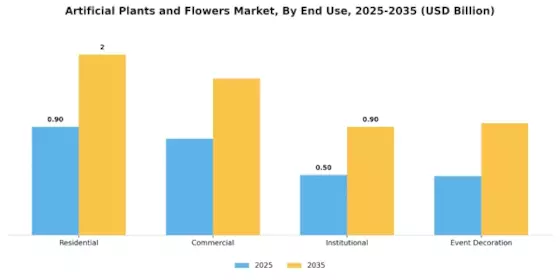
The residential sector dominates the artificial plant and flower market because it meets the needs of a broad range of consumers who want to enhance their home’s aesthetics without the effort required to care for real plants. Urbanization and the increasing popularity of home décor have fueled this sector’s rapid growth. In contrast, the event decoration sector represents an emerging direction in the market, primarily driven by the rapid expansion of the event planning industry. Its appeal lies in its versatility and the ability to offer sophisticated designs that are both time-saving and economical, allowing for limitless creative possibilities in arrangement and theme selection. The residential sector is the core consumption scenario, with families’ demand for beautifying their homes and improving their quality of life driving the widespread application of artificial plants in living rooms, bedrooms, and other spaces. The commercial sector has stable and large-scale demand, with hotels, supermarkets, and medical institutions using artificial plants to enhance the visual appeal of spaces and reduce maintenance costs. Medical institutions are experiencing the fastest growth in application, using them for ward decoration and patient psychological rehabilitation. The public and industrial sectors focus on landscaping in scenic areas and theme parks, adding a natural touch to cities.
By sales channel: Online retail (largest scale) and offline retail (fastest growth rate)
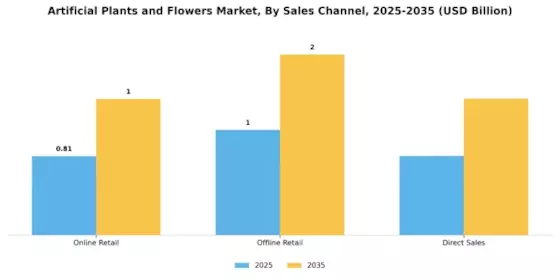
With convenient access and the growing trend of online shopping, online retail dominates the sales channels for artificial plants and flowers. Consumers increasingly prefer to shop from home, enjoying a wider variety of products and a convenient shopping experience. Continuously improving online marketing strategies and user-friendly platforms also provide strong support for this sector. At the same time, direct sales are gradually becoming an important force in the market, especially favored by consumers seeking personalized products. This approach allows sellers to provide customized solutions that meet specific customer needs, thereby cultivating customer loyalty and trust. Despite the dominance of online retail, direct selling is carving out a vital market space by emphasizing personalized service and unique product offerings.
II. Key Future Trends: Three Directions Defining New Growth Drivers for the Industry
1. Environmental Protection Becomes a Core Competitive Barrier
- he MRFR report predicts that from 2025 to 2032, the application of environmentally friendly materials in artificial plant production will exceed 40%. The implementation of policies such as the EU New Plastics Act is forcing companies to accelerate material upgrades, and products lacking environmental attributes will gradually be eliminated from the market. Simultaneously, the circular economy model will gradually become more widespread, and some leading companies have begun to develop product recycling and reuse systems, building a closed-loop ecosystem
- Integration and Upgrading of Intelligent and Scenario-Based Solutions. Intelligentization is a significant growth point in the high-end market. It is estimated that by 2030, the market size of intelligent artificial plants will exceed $5 billion, with products incorporating LED lighting, humidity sensing, remote control, and other functions to adapt to smart home scenarios. At the same time, scenario-based solutions are becoming a focus of competition among companies. The demand for customized landscape products for emerging scenarios such as cultural tourism scenic spots, characteristic towns, and rural tourism will drive the industry ‘s transformation from “single-product sales” to scenario-based services.
- E-commerce Channels Deepen Market Restructuring. Online channels have become a key engine for market growth, accounting for 35% of global sales in 2024 and projected to rise to 52% by 2032. The development of cross-border e-commerce has broken down geographical barriers, allowing small and medium-sized manufacturers in the Asia-Pacific region to directly reach end consumers in Europe and America, reducing intermediary markups. Simultaneously, the application of online marketing models such as live-streaming sales and virtual product displays has further reduced consumer decision-making costs, driving end-consumer growth.
Competitive Landscape
Taking the US Market as an Example
The artificial plant and flower market currently presents a dynamic competitive landscape, primarily driven by growing consumer demand for low-maintenance home décor solutions and the rise of sustainable lifestyles. Major companies such as Silk Plants Direct (USA), Nearly Natural (USA), and Afloral (USA) are strategically positioning themselves through innovation and digital transformation. Silk Plants Direct (USA) is committed to expanding its product line by incorporating environmentally friendly materials; Nearly Natural (USA) emphasizes its commitment to realistic designs to attract consumers seeking artificial plants; and Afloral (USA) has adopted a strong online marketing strategy, enhancing its e-commerce capabilities to reach a wider audience, thus creating a competitive environment centered on quality and convenience.
In terms of business strategy, companies are increasingly moving towards localized production to shorten delivery cycles and optimize the supply chain. The market exhibits a moderate degree of fragmentation, with both established and emerging companies vying for market share. This fragmentation provides consumers with diverse choices but also intensifies competition among major players, forcing them to continuously innovate to maintain their market position.
In August 2025, Silk Plants Direct (USA) launched a series of biodegradable artificial plants, marking a significant step forward in the industry sustainability efforts. This move not only responds to the growing consumer demand for environmentally friendly products but also positions the company as a leader in sustainable practices within the artificial plant sector. Strategically, this move is expected to attract environmentally conscious consumers and allow it to stand out in a highly competitive market.
In September 2025, Nearly Natural (USA) announced a partnership with a leading home décor retailer to expand its distribution channels. This collaboration is expected to significantly broaden Nearly Natural market reach, enabling it to tap into new customer segments. Strategically, this partnership leverages the retailer existing customer base to boost sales and increase brand awareness in a highly competitive market.
In October 2025, Afloral (USA) launched an AI-powered design tool on its website, allowing customers to preview how artificial plants would look in their own homes. This innovative initiative not only enhances the customer experience but also reflects the broader trend of digital transformation in the market. Strategically, this tool provides a personalized shopping experience, thereby increasing conversion rates and giving Afloral a competitive edge.
As of October 2025, the competitive landscape of the artificial plant and flower market is increasingly influenced by the convergence of advanced technologies such as digitalization, sustainability, and artificial intelligence. Strategic alliances are becoming more prevalent, allowing companies to leverage each other’s strengths to enhance their market position. Looking ahead, as businesses strive to meet evolving consumer demands, the competitive landscape may shift from traditional price competition to a greater focus on innovation, technological convergence, and supply chain reliability.
III. Conclusion: Moving Towards High-Quality Development Amidst Opportunities and Challenges
The growth logic of the artificial plant and flower market has shifted from scale expansion to quality improvement, with environmental protection, intelligence, and scenario-based applications becoming the core directions for industry upgrading. Although challenges such as fluctuating raw material prices and product homogenization remain, the industry still possesses vast growth potential driven by demand upgrades and technological innovation. In the future, companies that can accurately grasp environmental policy guidance, deeply cultivate niche scenario needs, and build integrated online and offline channels will gain a competitive advantage in the global market, driving the industry towards sustainable and high-quality development.
The rise of the artificial plant and flower market is essentially an inevitable result of market demand and technological progress. It satisfies people’s pursuit of natural aesthetics while providing cost-effective solutions for commercial scenarios. Data shows that continued global expansion provides ample space for industry development, but challenges such as cost, environmental protection, and competition cannot be ignored. In the future, only by grasping the upgrading trends of environmental protection and intelligence, and promoting product innovation and brand building, can companies gain an advantage in market competition. This spread of simulated greenery has not only rewritten the ecological landscape of the decoration industry but also conveyed people yearning for a green lifestyle. In today world, where the concept of sustainable development is deeply rooted in people hearts, the artificial plant and flower industry can only achieve a win-win situation of commercial and social value by taking environmental protection as its foundation and innovation as its wings, and truly integrate artificial greenery into the lives of more people.
How we support you:
🌿 Performance: 98% Highly realistic, low maintenance, no watering, no seasonal damage.
🛡️ Safety: Fire Retardant & UV Resistance options to meet strict commercial codes.
🏭 Capability: OEM/ODM custom designs with Flexible MOQ supporting projects of all scales.
Looking to elevate your next landscaping or interior project? Connect with us for a consultation. At Meiyi, we specialize in providing high-end, realistic greenery solutions tailored for both residential and commercial real estate.