Will Artificial Plants Fade in Sunlight 2026 Protection Guide
The answer is yes, but the fading process varies significantly depending on the chemical composition of the material. In 2026, as urban greening increases, understanding the durability of synthetic plants is essential for both homeowners and commercial developers.
Not All Artificial Plants Are Created Equal: Indoor vs. Outdoor Rated
The assumption that all synthetic plants are inherently immune to the elements is a costly mistake. There is a fundamental chemical difference between standard interior decor and commercial-grade outdoor greenery. According to technical insights from the International Association of Color Manufacturers, UV radiation acts as a catalyst for chemical degradation in untreated polymers.
Standard indoor plants are often manufactured using basic polymers or untreated fabrics. When subjected to direct sunlight exposure, these materials undergo photodegradation, leading to rapid color loss and a brittle texture. To ensure longevity, it is crucial to distinguish between these two categories:
- Standard Indoor Plants: Designed for climate-controlled environments. They lack UV inhibitors and will suffer from yellowing or chalking within months if placed outdoors.
- Outdoor Rated Greenery: Engineered with High-Density Polyethylene (HDPE) and UV-stable pigments. Our collection, for example, is specifically crafted to withstand environmental stressors, ensuring the vibrant green remains colorfast even under intense sun.
Technical Comparison: Standard vs. UV-Rated Greenery
| Feature | Standard Artificial Plants | Factory UV-Rated Plants |
|---|---|---|
| Material | Low-grade Silk / Recycled Plastic | High-Density Polyethylene (HDPE) |
| Sun Protection | None or Surface Spray | Inherently UV-Inhibited Polymers |
| Colorfastness | High risk of discoloration | Superior color retention |
| Durability | Becomes brittle in 3-6 months | Year-round durability (3+ years) |
The 3 Levels of UV Protection in the Manufacturing Process
Understanding the manufacturing hierarchy is key to predicting lifespan. As noted in reports by Plastics Engineering Magazine, the method of stabilizing polymers determines the material’s resistance to environmental stress.
Level 3: UV-Infused (Inherently UV Resistant – The Industry Standard)
This is the commercial grade standard. UV stabilizers are physically blended into the High-Density Polyethylene (HDPE) resin before molding. This prevents polymer degradation from the inside out.
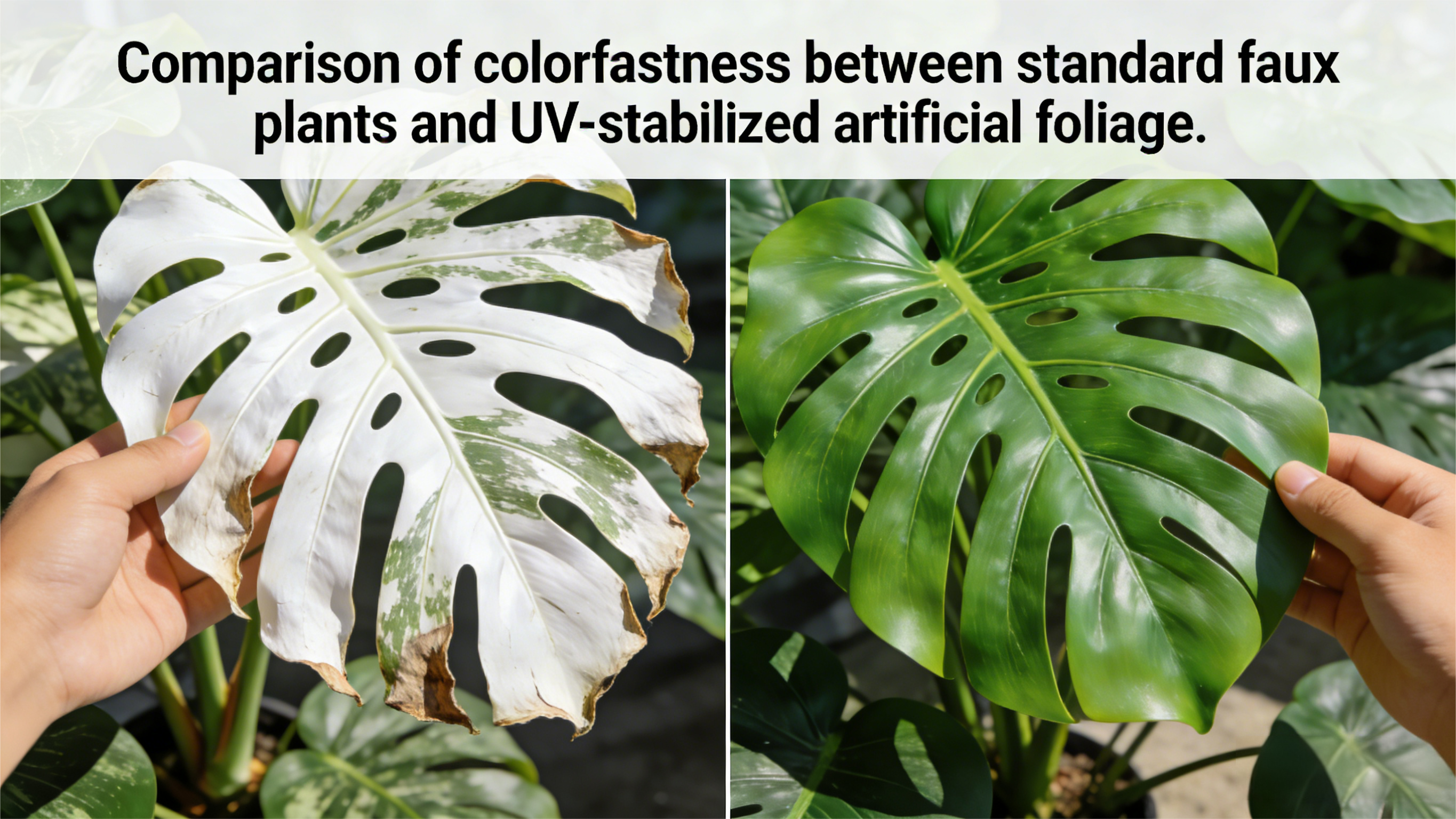
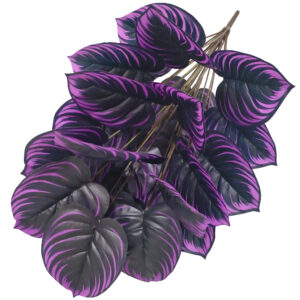
Figure 1: Side-by-side test: Photodegradation on standard material (left) vs. 3+ years color retention in our UV-stabilized HDPE (right).
How to Tell if an Artificial Plant is Truly UV-Resistant?
Identifying genuine protection requires looking beyond the label. Experts at ASTM International suggest looking for specific durability standards. For year-round durability, prioritize foliage made from High-Density Polyethylene (HDPE).
The “Flex Test”: Non-UV treated plastics become rigid. UV exposure causes cross-linking, leading to a brittle texture. A high-quality artificial Monstera Deliciosa plant should remain pliable and resilient even after direct sunlight exposure.
5 Pro-Tips to Prevent Your Artificial Plants from Fading
Even with commercial grade resilience, proactive care can extend the lifespan of your outdoor landscapes:
- Strategic Placement: Place plants in semi-shaded areas to reduce peak UV stress.
- Regular Cleaning: Dust traps heat; rinse foliage monthly to prevent heat-accelerated polymer degradation.
- Supplemental Protection: Use a clear protective spray for extra armor in high-UV regions.
- Rotation: Rotate pots every few months to ensure colorfastness remains uniform.
- Seasonal Storage: Store greenery during extreme winters to avoid physical damage from hail or sub-zero freezes.
How Long Do Outdoor Artificial Plants Last?
Based on accelerated weathering tests (comparable to ISO 4892 standards), the lifespan varies:
- Standard Silk (Non-UV): 3-6 months.
- UV-Treated Sprays: 1-2 years.
- UV-Infused HDPE: 3-5+ years of colorfastness.
Frequently Asked Questions (FAQ)
Can I leave artificial plants out in the rain and sun all year?
Yes, provided they are commercial-grade UV-infused products. High-Density Polyethylene (HDPE) is naturally resistant to moisture, preventing rot while maintaining structural integrity during harsh weather conditions.
Can you put regular artificial plants outside?
No. Standard synthetic plants lack UV stabilizers. Direct sunlight exposure will break down chemical bonds, causing the foliage to fade or develop a brittle texture within a single season.
Do UV protective sprays actually work?
They offer a temporary shield. However, for year-round durability, experts recommend UV-infused materials where the protection is part of the raw polymer, rather than a surface coating that can wear off.
How do I restore faded artificial plants?
Once photodegradation has occurred, the molecular damage is permanent. You can use specialized fabric or plastic paints to temporarily restore color, but for outdoor landscapes, it is more cost-effective to replace them with UV-rated commercial-grade greenery.
Which materials are most resistant to sun damage?
High-Density Polyethylene (HDPE) and Polyurethane (PU) with UV inhibitors are the industry gold standard. Silk and thin polyesters are the least resistant and should be kept indoors to avoid yellowing or chalking.
How we support you:
🌿 Performance: 98% Highly realistic, low maintenance, no watering, no seasonal damage.
🛡️ Safety: Fire Retardant & UV Resistance options to meet strict commercial codes.
🏭 Capability: OEM/ODM custom designs with Flexible MOQ supporting projects of all scales.
Looking to elevate your next landscaping or interior project? Connect with us for a consultation. At Meiyi, we specialize in providing high-end, realistic greenery solutions tailored for both residential and commercial real estate.