differences and comparisons between artificial pla

PE vs Latex vs Silk Artificial Plants Material Guide

Are you struggling to choose the perfect faux greenery for your home or commercial space?

You might already know that modern manufacturing has completely transformed the artificial plant industry. But with terms like “real touch” and “faux” thrown around, picking the right option can feel overwhelming.

Well, you’re in for a treat because we are put together a complete guide breaking down the differences and comparisons between artificial plant materials: PE, Latex, and Silk.

In this post, you’re going to learn exactly how to evaluate visual realism, durability, and maintenance needs so you can make the smartest investment. From finding the perfect classic silk plant for your living room to sourcing ultra-realistic, weather-resistant plastics for outdoor landscaping, it’s all here.

So if you’re looking to balance material lifespan, budget, and high-quality craftsmanship, this guide is for you.

Let’s dive right in.

Understanding Artificial Plant Materials

The artificial plant industry has transformed dramatically to meet the uncompromising standards of modern interior design and landscaping. Today’s artificial plant materials are precision-engineered for maximum realism, longevity, and aesthetic impact. As a leader in the faux botanical space, we recognize that the contemporary US market demands greenery that not only looks authentic but actively elevates residential and commercial spaces without the burden of ongoing maintenance.

The Evolution of Faux Botanical Manufacturing

Manufacturing processes have shifted entirely from basic plastic injection to sophisticated 3D modeling and intricate, hand-painted detailing. The industry has progressed through three distinct phases:

  • The Early Era: Characterized by cheap, flimsy plastics and stiff fabrics. These products suffered from visible seams, fraying edges, and a highly unnatural, glossy sheen.
  • The Transition: The introduction of better synthetic fabrics and rudimentary wire-core frames, allowing for basic adjustable styling and improved longevity.
  • The Modern Standard: Precision engineering using advanced polymers. Today’s manufacturing utilizes 3D-printed molds cast directly from living plants, ensuring every vein, stem, and leaf perfectly replicates natural, organic growth patterns.

Decoding Common Terms: Faux, Silk, and Real Touch

Navigating the botanical market requires a clear understanding of the specific terminology used by high-end manufacturers and designers.

  • Faux: The broad, overarching industry classification for any artificial plant, flower, or tree, encompassing all materials and manufacturing techniques.
  • Silk: A legacy industry term. While historically crafted from real silkworm threads, modern “silk plants” are practically never made of actual silk. Today, this term refers to botanicals manufactured using high-grade, durable polyester and nylon blends that deliver a soft, natural drape.
  • Real Touch: The pinnacle of tactile realism. These premium products are crafted primarily from liquid latex, polyurethane (PU), or advanced PE polymers. They are meticulously engineered to feel slightly moist, fleshy, and deeply textured—mimicking the exact physical sensation of touching a living leaf or petal.

Exploring the Core Materials: Silk, PE, and Latex

Artificial Plant Materials Comparison PE Latex Silk

When evaluating the differences and comparisons between artificial plant materials: PE, Latex, and Silk, understanding the raw components is the first step. Each material offers distinct advantages depending on your space, budget, and how much realism you demand. Here is exactly what we use to build modern faux botanicals.

Silk Plants: The Traditional and Classic Option

We’ve all seen silk plants. They are the foundational material of the faux botanical industry. While early versions used actual silk, today’s “silk” plants are generally crafted from high-grade polyester or cotton blends that absorb dye brilliantly and resist fraying.

  • Best Feature: Silk excels at capturing the delicate, fluid movement of thin petals and wispy leaves.
  • The Look and Feel: It provides a soft, matte finish that mimics delicate blooms. For example, draped artificial morning glory silk flower vines showcase exactly how well this fabric falls and softens a room’s corners.
  • Keep in Mind: Silk is strictly for indoor use. It will fade in direct sunlight and lose its shape if exposed to heavy moisture.

Polyethylene (PE): The Durable and Versatile Plastic

Polyethylene (PE) is our go-to material for structural integrity and durability. To create PE plants, we inject liquid polymer into 3D molds taken directly from living plants. This eliminates the flat look of older artificial plants and creates a highly realistic, three-dimensional structure.

  • Best Feature: Outstanding durability and the ability to hold complex shapes.
  • The Look and Feel: It captures the rigid, waxy texture of thick foliage, branches, and needles. When you handle premium realistic artificial eucalyptus stems, the PE material is what gives the leaves their authentic, slightly snappy feel.
  • Keep in Mind: PE is exceptionally easy to clean with a damp cloth and is often UV-treated, making it the top choice for outdoor landscaping in the US.

Latex: The Ultra-Realistic “Real Touch” Innovation

If your priority is absolute tactile realism, latex is the peak of current manufacturing. We often refer to these in the industry as “Real Touch” botanicals. Liquid latex is poured over highly detailed molds, curing into a material that mimics the exact thickness and surface tension of living tissue.

  • Best Feature: An unmatched, true-to-life physical texture.
  • The Look and Feel: When you run your fingers over a latex petal, it feels slightly cool, fleshy, and damp—indistinguishable from a live plant in the dark. It is heavily used for thick-petaled flowers like orchids and tulips.
  • Keep in Mind: While hyper-realistic, latex requires a bit more care. The material can become brittle or discolor over several years if exposed to excessive dry heat or direct, intense sunlight.

PE vs. Latex vs. Silk: A Detailed Comparison

Understanding the exact differences and comparisons between artificial plant materials: PE, Latex, and Silk saves you time and money. We always want my customers to know exactly what they are investing in. Here is a quick breakdown of how these three dominate the market.

Material Realism (Look) Tactile Feel Durability Best Environment
Silk High (Flowy, delicate) Fabric-like Moderate Indoors, low light
PE High (Structured, 3D) Plastic/Stiff Excellent Indoors & Outdoors
Latex Supreme (Lifelike) Fleshy, cool Low Temperature-controlled indoors

Visual Realism and Tactile Feel

When we evaluate looks and touch, each material behaves differently.

  • Silk: Offers a classic, soft appearance with unmatched movement. For example, when styling events, We rely on realistic silk flowers for wedding centerpieces because the delicate petal structure looks incredible in photos. However, to the touch, it still feels like woven fabric.
  • PE (Polyethylene): We inject PE into 3D molds cast from real plants. This captures every vein and ridge perfectly. It looks extremely realistic but feels like hard, flexible plastic.
  • Latex: This is your “real touch” option. Latex coatings mimic the natural, fleshy, and slightly cool feel of a living leaf or petal. It fools both the eye and the hand.

Durability, Lifespan, and Weather Resistance

Where you place your greenery dictates the material you should buy.

  • PE: This is the workhorse. It is waterproof, crush-resistant, and often manufactured with UV blockers. It easily survives outdoor landscaping and extreme weather.
  • Silk: Silk is an indoor-only material. If you put it in direct sunlight, the colors will fade fast. Over years of handling, the edges of the fabric can also begin to fray.
  • Latex: While it looks the best, it is the most fragile. Latex breaks down in heat and direct sunlight, turning brittle or yellowing over time. Keep it in climate-controlled living rooms or offices.

Maintenance Needs and Cleaning Methods

Nobody wants high-maintenance faux plants. Here is our straightforward guide to keeping them clean:

  • PE: The easiest to maintain. Just wipe it down with a wet rag or literally rinse it off in the shower. It dries perfectly.
  • Silk: Do not get silk wet, or the dyes might bleed. Simply use a feather duster, a dry microfiber cloth, or a can of compressed air to blow away the dust.
  • Latex: Wipe the surface gently with a slightly damp cloth. Never use harsh chemical sprays or household cleaners, as they will degrade and strip the latex coating.

Best Application Scenarios for Each Material

Picking between artificial plant materials like PE, latex, and silk comes down to exactly where you plan to put them. Here is how I break down the best use cases for each type to get the most value out of your faux botanicals.

Ideal Uses for Indoor Styling and Home Decor

Indoor environments give you the most freedom because you do not have to worry about harsh weather or direct, baking sun.

  • Latex: Perfect for high-visibility spots like coffee tables, entryways, or kitchen islands. Since latex offers a genuine “real touch” feel, it completely holds up to close inspection and touching from guests.
  • Silk: The classic choice for intricate floral arrangements in bedrooms or dining rooms, where visual elegance and fluid movement matter more than texture.
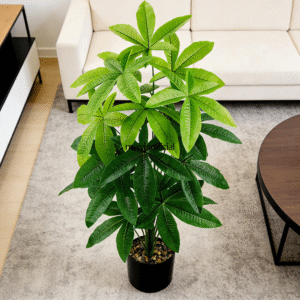
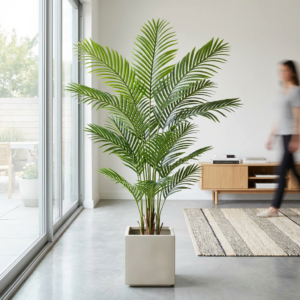
  • PE Plastics: Excellent for structural house plants and trailing greens. For adding life to high bookshelves or empty corners, utilizing artificial hanging vines like Monstera and Watermelon leaves gives you a lightweight, maintenance-free pop of nature.

Choosing UV-Resistant Options for Outdoor Landscaping

Depending on where you live in the United States, your outdoor plants might face brutal summer sun, heavy rain, or freezing snow. Silk and latex will fade, bleed, and fall apart quickly outside. For outdoor landscaping, you absolutely need Polyethylene (PE).

  • UV Resistance: High-quality PE outdoor plants are chemically treated during manufacturing to block UV rays, stopping the plastic from cracking or losing its vibrant green color.
  • Weatherproof: PE shrugs off rain and wind without taking water damage.
  • Application: If you are building out patio planters or lining a front porch, mixing in UV-resistant faux camellia and eucalyptus branches guarantees your landscaping stays looking fresh and full year-round, completely skipping the water bill.

Commercial Spaces and High-Traffic Environments

Hotels, office lobbies, restaurants, and retail stores demand artificial plants that look premium but require zero daily upkeep from the staff.

  • Durability: In high-traffic areas, people constantly brush past planters. PE is the toughest material available and resists snapping, bending, or crushing.
  • Dust Management: Commercial spaces accumulate dust quickly. PE and latex are incredibly easy to wipe down with a simple damp cloth. Silk, on the other hand, traps dust in its fabric weaves and requires special cleaning sprays.
  • Scale: Large-scale commercial installations usually rely on high-grade PE because it offers the absolute best balance of long lifespan, structural realism, and budget.

Quick Material Application Guide

Environment Best Material Choice Why It Works
Indoors (Close-up & Tactile) Latex Unbeatable “real touch” feel; fools the eye and the hand.
Indoors (Visual Decor) Silk Highly detailed, perfect for delicate faux flower arrangements.
Outdoors (Landscaping) UV-Resistant PE Fully waterproof; stands up to harsh sun and temperature swings.
Commercial & High Traffic PE & Latex Extremely easy to clean, highly durable against foot traffic and dust.

How to Choose the Right Artificial Plant for Your Needs

Choosing the right faux foliage comes down to understanding the differences and comparisons between artificial plant materials: PE, latex, and silk. Your final decision should balance realism, durability, and safety based on where and how you plan to use the plant.

Evaluating Craftsmanship and High-Quality Details

When checking the quality of artificial plants, the smallest details make the biggest impact. We always advise looking closely at the foliage and stems before buying.

  • Color Variations: High-quality faux plants use gradient coloring, dead tips, and natural imperfections rather than a single flat shade of green.
  • Texture: Run your fingers over the leaves. Latex provides a fleshy, damp feel, while PE offers a structured, molded texture.
  • Structural Wiring: Premium options have wire running through the stems and leaves, allowing you to bend and shape them naturally.

If you want to maximize the realism of your setup, understanding the craftsmanship helps. You can read more about how to make artificial plants look like real plants to get the most out of your purchase.

Balancing Material Lifespan with Your Budget

You get what you pay for in the faux botanical market. I recommend matching the material to your specific budget and how long you need the plant to last in its intended environment.

Material Initial Cost Lifespan Best Value Application
Silk Low to Medium 1–3 Years Budget-friendly indoor decor and seasonal arrangements.
PE (Polyethylene) Medium to High 5–10+ Years Long-term outdoor landscaping and high-traffic areas.
Latex (Real Touch) High 3–5 Years Premium indoor displays where tactile realism is required.

Environmental Impact and Safety Certifications

Safety and sustainability are critical, especially for US homes and commercial spaces. Artificial plants are manufactured goods, so knowing what goes into them is essential for peace of mind.

  • Non-Toxic Materials: Ensure the PE or latex used is free from heavy metals and harmful chemicals. This is especially important for households with children or pets.
  • Fire Retardant (FR) Treated: If you are buying for a commercial space, office, or public venue, always look for artificial plants with built-in flame retardant certifications to meet local fire codes.
  • Recyclability: While silk blends are hard to break down, high-grade PE plastics can often be recycled at the end of their lifespan, making them a more eco-conscious long-term investment.

Product Enquiry

Review My Order

0

Subtotal